★ Welcome to Starhaven ★
Starhaven is a semi-casual fantasy RP group inspired by games such as Story of Seasons, Rune Factory, and Dungeons & Dragons. It’s a place for character-driven stories, slice-of-life moments, and plot developments shaped by member choices.
Artists and writers are equally welcome.Whether you’re here to explore, build a new life, or simply enjoy moments between characters, Starhaven offers a relaxed but evolving world to settle into.
Take your time to look around and get a feel for the island.
We hope to see you soon!
[ 18+ | Semi-Casual | Fantasy | Slice of Life | Plot | Choices ]
★ The World ★
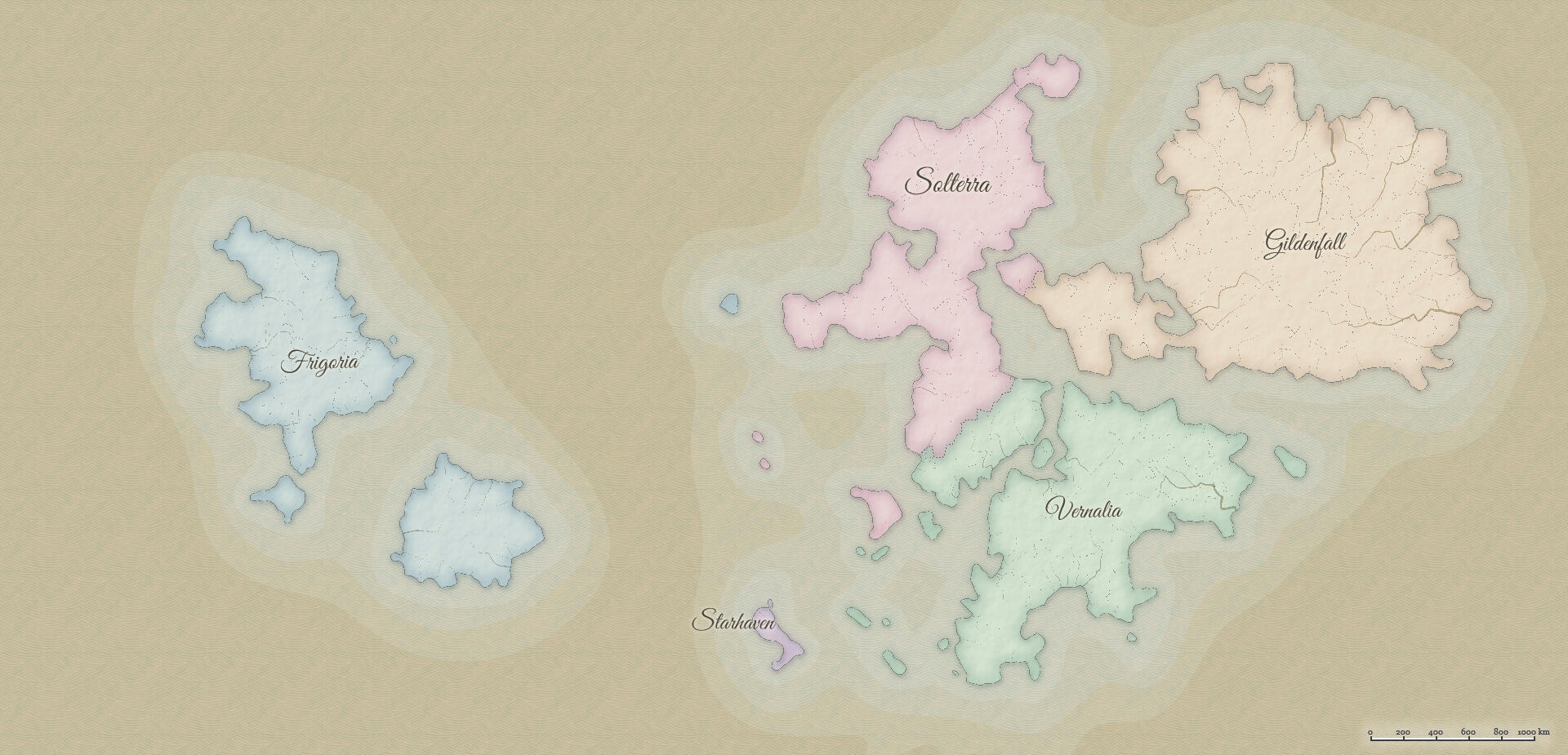
Starhaven exists within the wider world of Mythria, a land shaped by diverse regions, cultures, and histories. From Vernalia’s river valleys to Solterra’s heat-worn coasts, Gildenfall’s working lands, and Frigoria’s frozen reaches, each region leaves its mark on the people who come from it.While Starhaven serves as a home and meeting place, the wider world continues to shape events, characters, and long-term plots on the island. Where your character comes from matters - and those roots often find their way back into the stories told here.
★ Starhaven ★
The Starhaven Project is growing, and there’s never been a better time to join.What began as a small settlement on a forgotten island has become something much larger. Strange magic, ancient ruins, and an ever-changing environment shape daily life, while the town itself continues to expand alongside its residents. Starhaven is a place of opportunity, discovery, and second chances.Whether you’ve come to study, explore, build a new life, or simply start fresh, the island has space for you. Every resident leaves their mark, and the choices made here help determine what Starhaven becomes next.So, what will your story be?
★ Calendar ★
The calendar gives an overview of the current year and season, along with typical weather patterns one can expect on Starhaven. It also tracks important holidays, celebrations and character birthdays, making it easy to keep up with what’s happening over time.
★ System ★
Starhaven uses a set of systems to support play and keep the world moving forward. They exist to give structure to participation and to recognise the time and effort players put into their characters and stories. These systems are meant to guide progression, encourage creativity, and help the community grow together over time. Whether you engage with them lightly or dive in more deeply, they are there to support your experience.
★ Nature & Technology ★
Magic has always been part of Mythria, and just like it lives in people, it lingers in the land itself. In some places, that presence shows in small, but noticeable ways. Certain plants may grow with stronger or strange flavours and flowers sometimes bloom in unusual colours. Fatesight Flowers, known for shifting their hues in response to magical affinity, are one such example. Animals can show it too on rare occasions - fish that glow softly in dark waters, deer with flowers growing from their antlers, or horses with flaming manes. These changes aren’t common, but they’re not unheard of either. For most people, they’re simply another part of the world: strange at first glance, familiar once you live with them and a reminder that magic still lingers in Mythria.While magic is part of the world, it is not reliable enough to support everyday life on its own, so technology developed alongside it. Most places have practical systems such as piping, heated washrooms, public baths, and sturdy everyday tools. Larger towns and cities also make use of more advanced devices like heating boxes, cooling containers, lamps, and even trains, many of which are powered by contained magic rather than mechanical fuel sources. Because this kind of technology is expensive to build and maintain, it is far more common in wealthier regions, while smaller communities rely on simpler setups. Devices powered by stored magic are not limitless either; their energy eventually weakens and must be renewed by trained specialists. There is no widespread electrical infrastructure, so highly advanced communication or entertainment technology does not exist beyond rare experimental creations commissioned by the wealthy or the curious.
★ The Chronicles of Mythria ★
Current Year: Loading...
The Creation of the World
1000 PD – 1 PDThe Great Darkness
1 PD – 1 ADThe New World
1 AD – 1746 ADThe Meteor Crash
1746 AD – 1748 ADThe Starhaven Project
1748 AD – PresentTensions in the Land of Eternal Summer
1752 AD – 1753 ADWar of Shattered Faith
1753 AD – 1754 AD★ The Chronicles of Starhaven ★
Current Year: Loading...
Start of the Starhaven Project
1751 AD - 1752 ADMiriel Willowmist's Mayoralty
1752 AD - 1753 ADNew Roots, Old Tensions
1753 AD - present★ World Map ★
Mythria was once a unified world where the seasons changed naturally, one after another. Since the Great Darkness, that balance has been lost, and the continent is now divided into four nations, each bound permanently to a single season. The only exception is Starhaven, an island where the full cycle of seasons returned after a meteor crash, making it a rare glimpse of what the world once was.
Vernalia, The Land of Eternal Spring
★ Capital: Bloomridge
★ Population: mostly elves, hybrids, humans
★ Terrain: meadows, forests, river valleys, mountain ranges
★ Notable Exports: rare flowers, medicinal herbs, perfumes and oils, honey and beeswax, dyes, fine teas
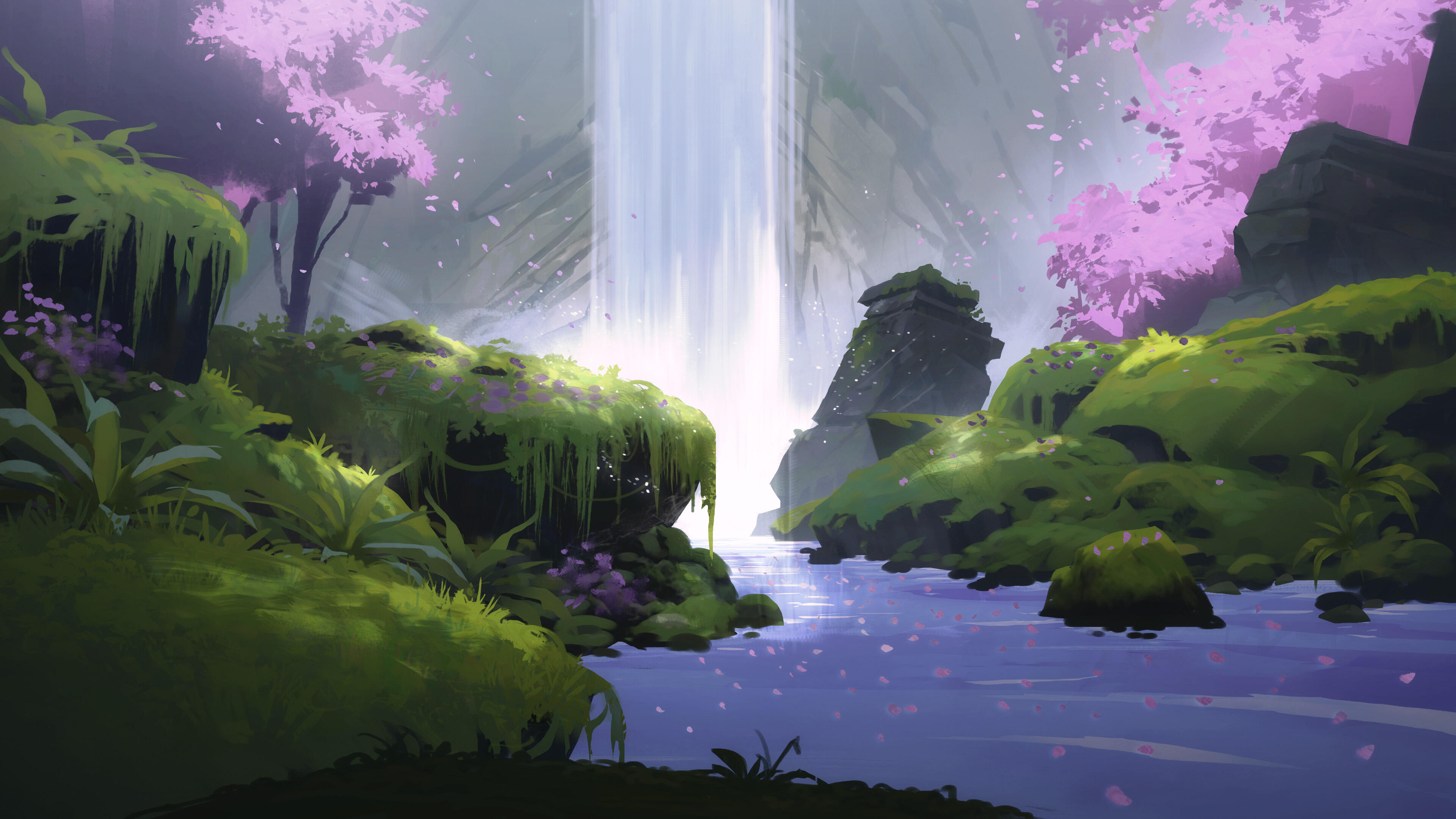
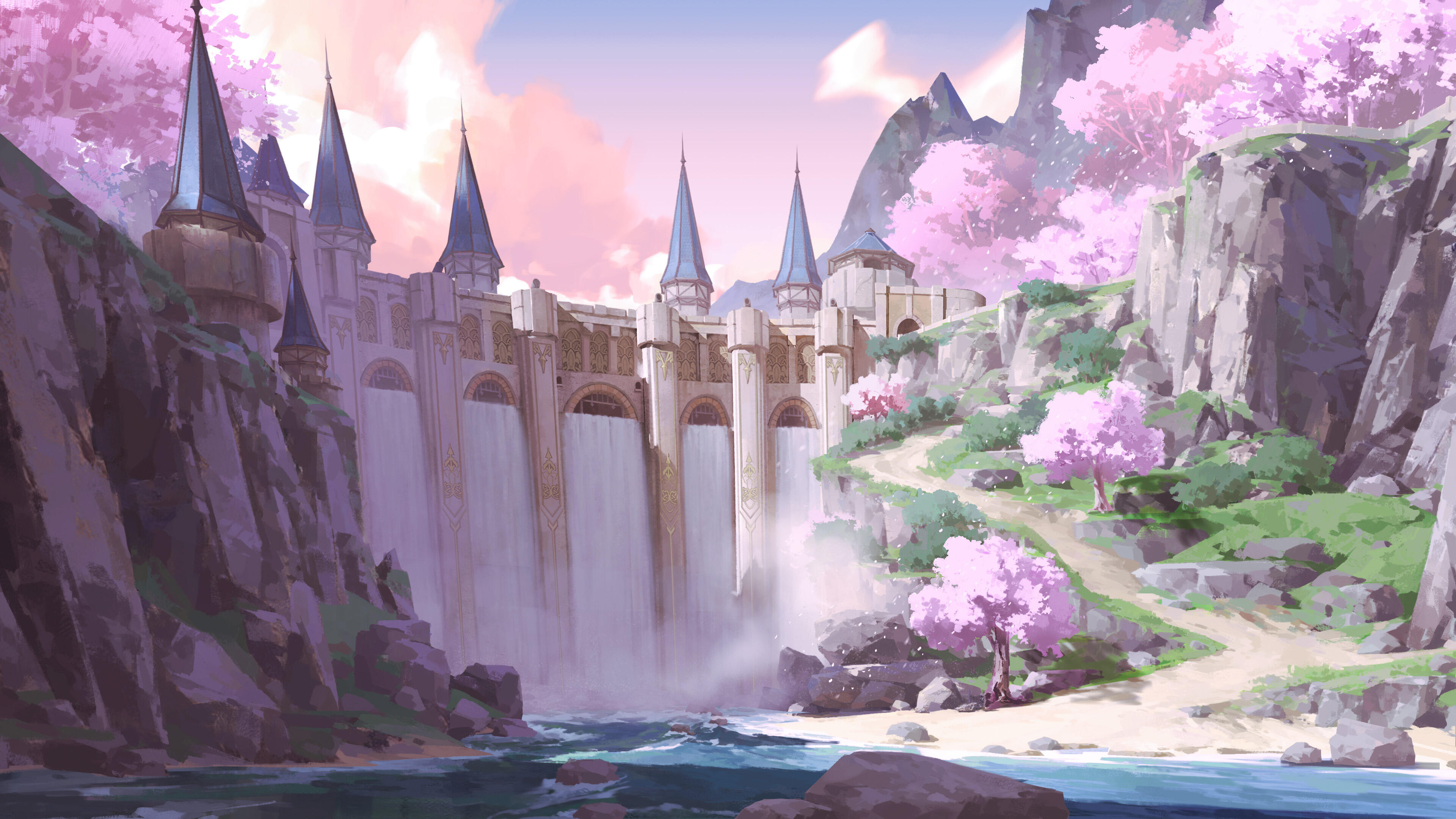
Vernalia is a region of river valleys, broad meadows, and forested stretches that grow denser the farther one moves from its main settlements. Clear waterways shape much of the land, guiding travel routes, farmland, and town development, and most communities are situated where forest, field, and fresh water naturally come together. Roads commonly follow riverbanks, with bridges, mills, and crossings marking long-established points of movement and trade. Cultivated land is widespread, existing alongside woodlands, meadows, and riverbanks that remain largely undisturbed.
The landscape shows signs of long-term habitation and gradual change. Fields, paths, and infrastructure appear layered, with older routes and boundaries still in use beside newer ones. Forests thin and thicken naturally without large-scale clearing, and settlements tend to remain close to their original foundations. Vernalia feels closely connected, with its rivers, paths, and settlements shaped over time through steady use and gradual change.
Bloomridge is Vernalia’s administrative, academic, and commercial centre, built where several major rivers converge. The city spreads across gentle hills and terraced streets, with residential areas, markets, workshops, and cultivated gardens interwoven throughout rather than separated into strict districts. Paths, bridges, and waterways form the main routes of movement, allowing goods, people, and information to pass easily between different parts of the city.
The capital is widely recognised as Mythria’s foremost centre for medicine, botanical study, and the research of plant, animal, and arcane disciplines. Several colleges and institutes operate within the city, many of them closely tied to surrounding farmland, forests, and river systems. Bloomridge also hosts Vernalia’s regional council, where representatives from across the land gather to coordinate matters of administration, trade, and shared infrastructure. The city remains consistently active, with most activity tied to coordination, research, trade and administration.
Vernalian society is organised around long-term community ties and shared responsibility. Many families remain rooted in the same towns or regions for generations, and local affiliation often carries as much weight as regional identity. Trust develops slowly and is closely tied to consistency, reliability, and visible involvement in community life. People are expected to take part in maintaining shared systems, whether through labour, knowledge, or coordination, and reputation is shaped by sustained contribution rather than singular achievements.
Social standing in Vernalia is not determined by rigid class divisions, but by familiarity, dependability, and the ability to work within existing structures. Leadership tends to emerge through experience and recognition, often taking the form of councils, stewards, or long-established families responsible for managing resources and resolving local matters. Disagreements usually centre on access, upkeep, and responsibility instead of ideology, and decisions are often reached through extended discussion. Vernalian society places little emphasis on status displays; respect is earnt through care for the land, the systems built around it, and the people who rely on them.
Deepcomb Vale
A valley famous for giant beehives woven into natural rock alcoves. The bees that live here are unusually large, many growing to the size of a person’s palm, and their colouring can vary strikingly depending on the flowers they feed from. The communities of Deepcomb Vale support and maintain the hives with great care, treating the bees as essential partners in Vernalia’s agriculture and not as resources to be used freely. Taking honey without permission is not illegal by law, but it is regarded as a serious breach of trust; only approved families and guilds are allowed to harvest small, carefully regulated amounts, and most people understand that the health of the bees matters far more than immediate gain.
Grove of Quiet Hours
The Grove of Quiet Hours is a protected woodland reserved for reflection, quiet conversation, and time away from everyday life. People often come here before important decisions, to mark personal milestones, or simply to step away from their usual responsibilities, and it is widely understood that raised voices and arguments do not belong in this space. Over time, families and communities have attached their own meanings to the grove, and it is not uncommon for people to bury small mementoes beneath trees or along the paths as a way of marking change, honouring someone important, or leaving a part of the past at rest.
Rainhollow
Rainhollow is a river settlement known for its “rainwalks” - long canopy tunnels shaped from living trees that shelter paths during the frequent, finely timed showers that pass through the region. Rain is part of the local life rather than treated as an inconvenience; many traditions, festivals, and evening gatherings are timed around it, with people walking the covered paths, sharing food beneath lantern light, and listening to music while the canopy quietly echoes with rain drops. Travellers often come specifically for this atmosphere, and Rainhollow has become well known among couples, many of whom visit for the simple tradition of walking the rainwalks together during rainfall.
Solterra, The Land of Eternal Summer
★ Capital: Sunspire
★ Population: mostly hybrids, humans, half-elves
★ Terrain: deserts and dunes, rocky plateaus, tropical coasts, jungles
★ Notable Exports: tropical fruit, spices, rare timber, glassware, pottery, ceramics, coastal trade goods
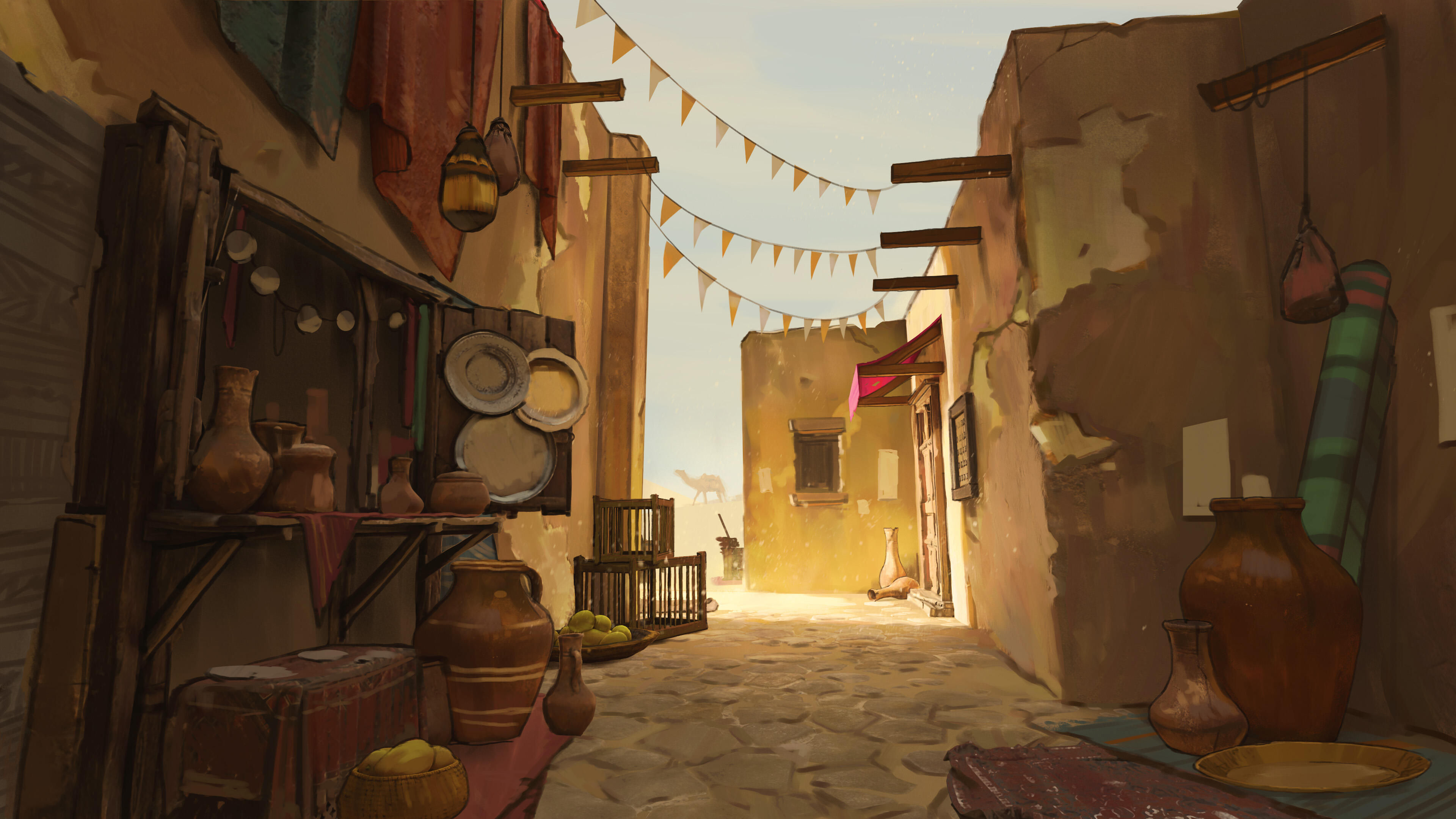
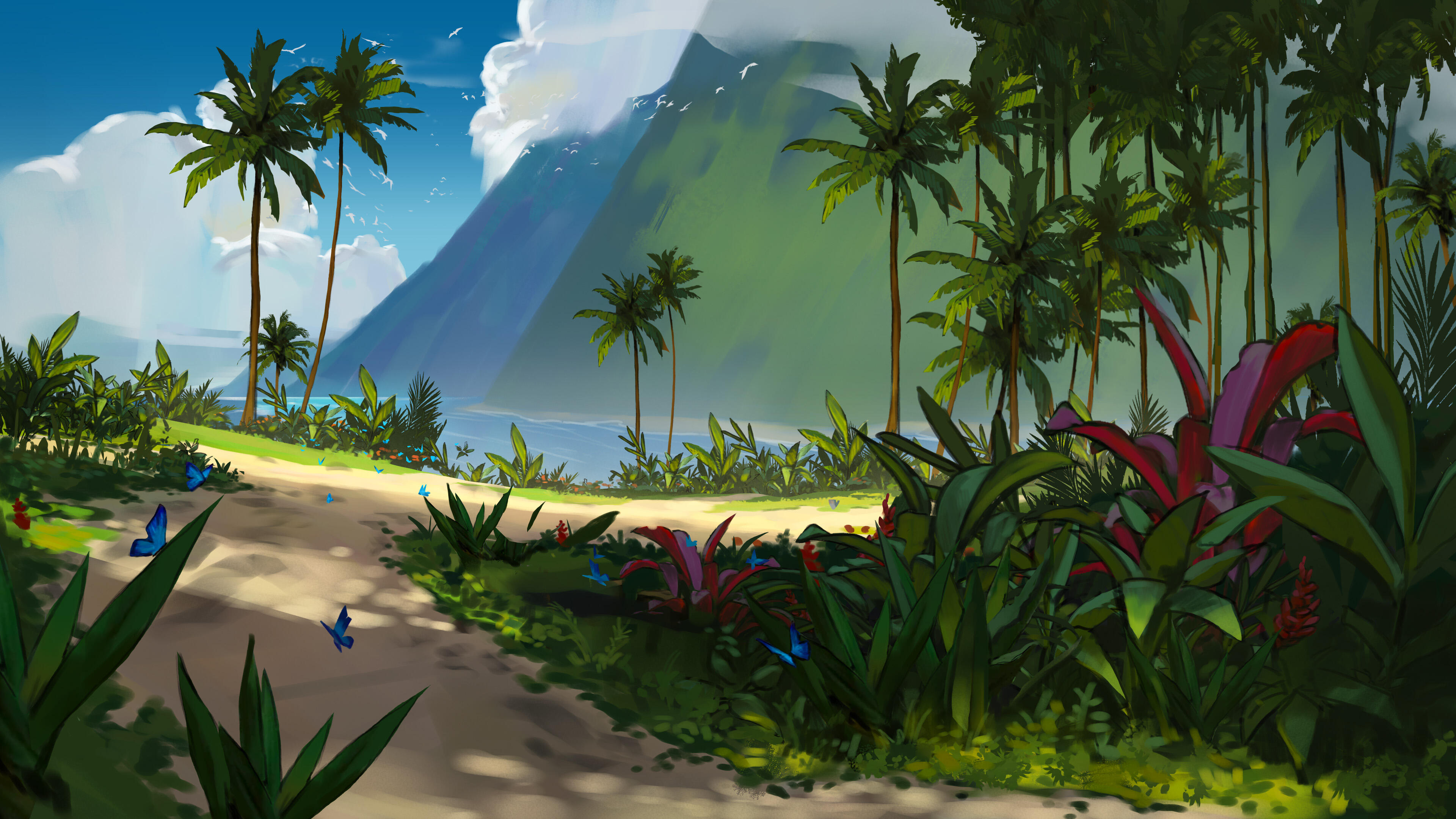
Solterra is a region defined by heat and strong geographical contrasts, stretching from vast deserts and dune fields to rocky plateaus, dense jungles, and long tropical coastlines. Water plays a decisive role in shaping settlement, with towns and cities forming around oases, rivers, coastal inlets, and established ports. Inland travel depends on mapped routes and known passages, while coastal regions support frequent movement by sea. Vegetation and habitation shift sharply across the land, creating clear boundaries between arid expanses, fertile lowlands, and humid forest regions.
The landscape demands careful navigation and planning. Open desert offers little shelter, while plateaus and jungles shape movement through elevation, shade, and natural barriers. Settlements tend to cluster around dependable resources, and routes between them follow paths that have proven reliable over time. Across Solterra, distance, heat, and access to water define how places connect, giving the region a sense of openness combined with clear limits imposed by the environment.
Sunspire is Solterra’s political and economic centre, built around a fortified palace district that dominates the city’s layout. The palace complex houses the royal family, central administration, and primary council chambers, and much of Solterra’s governance and high-level decision-making takes place within its walls. From this core, the city spreads outward in clearly defined districts, with official quarters, trade hubs, residential areas, and port facilities arranged in deliberate layers.
The city’s construction reflects its climate and function. Pale stone buildings, shaded streets, inner courtyards, and controlled access points help manage heat and movement, while major roads connect the palace district to caravan routes and coastal trade lines. Activity in Sunspire remains constant, driven by administration, commerce, and transport, with the city serving as the main point where inland routes, maritime trade, and regional authority converge.
Solterran society is structured around clear hierarchies and visible divisions of status. Social standing is closely tied to occupation, wealth, and proximity to power, and these distinctions are reflected in daily life as well as in the layout of towns and cities. Certain districts, institutions, and spaces are restricted by status or official permission, and access to administrative or royal areas is tightly controlled. Movement between social layers is possible, but it tends to be gradual and dependent on long-term service, success in trade, or formal appointment.
Leadership and authority are highly visible, with power flowing from the royal family through noble houses, appointed officials, and regional administrators. Responsibility and competence are expected of those in authority, but obedience and awareness of one’s place remain central social expectations. Public life is active and expressive, especially in trade districts and coastal centres, yet social boundaries are well understood and rarely crossed without consequence. In Solterra, reputation is shaped by confidence, capability, and recognised position, and knowing where one belongs is considered an essential part of navigating both society and opportunity.
The Crimson Fields
The Crimson Fields are stretches of red-tinted desert where the sand contains mineral traces that deepen in colour at sunrise and sunset, giving the landscape its distinctive glow. The region is known for its lizards with translucent, heat-reflective scales that catch the light and refract it into faint shimmering patterns when they move. They are skittish but commonly seen in the early morning and late evening, and locals regard them as a reassuring sign that the desert is still survivable, even at its harshest.
Azure Coast
The Azure Coast has a huge marketline that stretches along Solterra’s busiest trade route, forming a near-continuous chain of ports, harbours, and market districts that are always bustling with life. It is the only region not administered through the usual hierarchy beneath the crown, instead operating independently under a coastal council recognised by the monarchy for generations. The wealth and constant movement make it incredibly lucrative, and while the coast is officially well-regulated, it is widely whispered that some ships dock here without using their real names, and that not every transaction carried out along the Marketline is entirely lawful.
Highwood
Highwood is a jungle settlement built on elevated platforms and connected walkways that rise above the dense ground growth, allowing residents to move safely and efficiently between homes, watch posts, and communal areas. The height provides better airflow, protection from wildlife and flooding, and clear views of weather and river conditions, making it an important reference point for the surrounding region. While raised structures exist elsewhere in Solterra, none match the scale or organisation found here, and the settlement’s network of bridges and viewing platforms has quietly become a destination in its own right, attracting travellers who want to experience the jungle from above rather than within it.
Gildenfall, The Land of Eternal Autumn
★ Capital: Goldengrove
★ Population: mostly humans, elves, witches
★ Terrain: hills, forests, valleys, river plains, vineyards
★ Notable Exports: grains and seasonal crops, vegetables, preserved foods, wooden crafts, wines and ciders, textiles
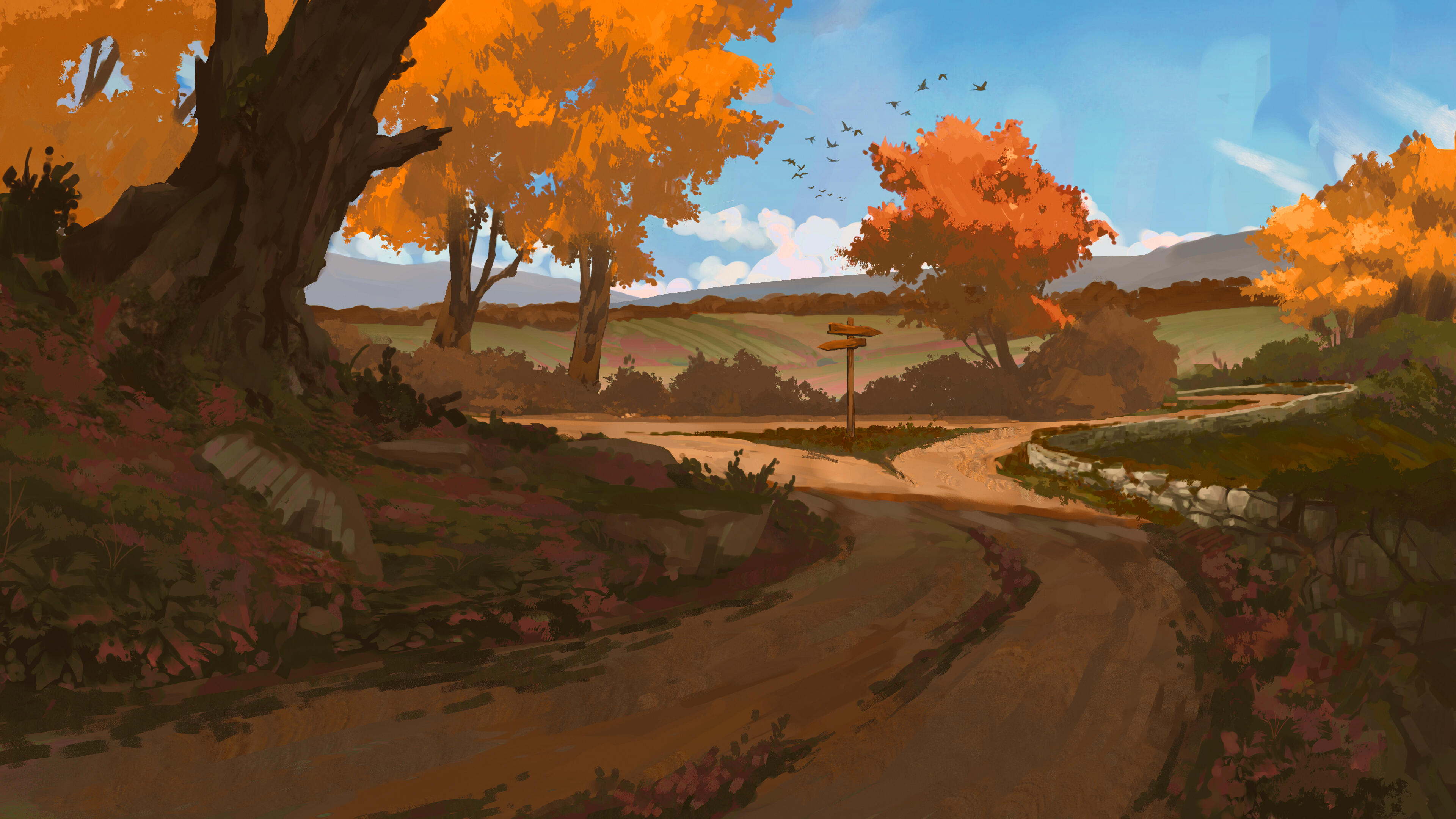
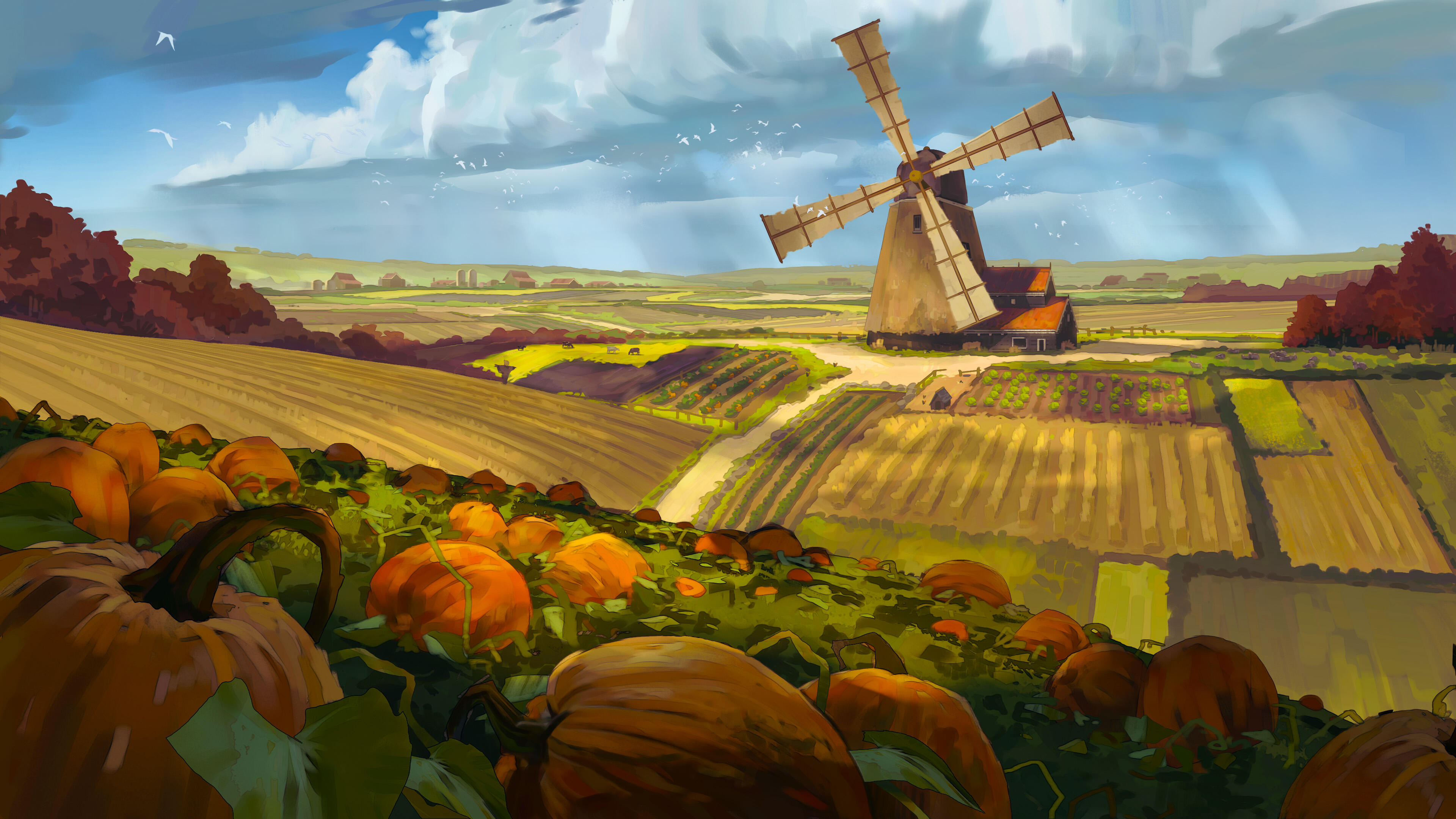
Gildenfall is a region of rolling hills, cultivated fields, forested slopes, and wide river plains, all held in warm autumn tones throughout the year. Farmland stretches across much of the countryside, broken by orchards, vineyards, woodland borders, and small villages spaced at regular intervals. Rivers and well-used trade roads link rural settlements to larger towns, while old stone bridges, mills, storehouses, and field boundaries mark places that have supported harvests and transport for generations.
The land shows clear signs of long and continuous use. Fields are carefully divided and maintained, forests are managed rather than cleared, and paths often follow routes laid down long ago. Settlements tend to grow outward from established centres instead of spreading unpredictably, and most infrastructure is built to endure cycles of planting, harvesting, and storage. Gildenfall’s landscape feels shaped by repetition and labour, with every part of the land carrying evidence of work done and work still expected to come.
Goldengrove is recognised as Gildenfall’s capital, though it does not function as a seat of central authority. The city developed at the meeting point of several major trade roads and river routes, making it a natural centre for storage, processing, and redistribution of goods produced across the region. Warehouses, granaries, mills, craft halls, and market yards dominate much of the city’s layout, with residential streets and inns growing around these working spaces.
Rather than housing regional governance, Goldengrove operates as a practical hub where harvests, materials, and finished goods pass through before being traded onward. Markets run continuously, carts move in steady flows, and labour is visible throughout the city at all hours. The city’s importance comes from function and reliability, not political power, and most people understand Goldengrove as the place where Gildenfall’s collective work gathers, changes hands, and moves back out into the wider world.
Gildenfall’s society is shaped by work, contribution, and a strong connection to place. Most people grow up learning practical skills tied directly to farming, forestry, craft, transport, or food production, often passed down through families or close-knit communities. Social standing is closely linked to effort and reliability, and respect is built through visible contribution over time rather than through status, wealth, or formal authority.
There is no rigid class system in Gildenfall, but reputation carries significant weight. Communities tend to remember who can be depended on during demanding times and who steps in when labour is needed. Leadership is informal and local, often falling to elders, experienced workers, or long-established families who organise resources and settle disputes through recognition instead of titles. Trust is earnt through action, and while outsiders are not excluded, acceptance depends on willingness to work alongside others and take part in shared responsibilities.
The Amberfields
The Amberfields are a wide stretch of open land and woodland clearings known for trees that produce unusually thick, golden resin. In certain areas the resin hardens across bark and stone in smooth, glasslike sheets or gathers in slow-moving pools, preserving leaves, seeds, and insects alike. The badgers that live here have noticeably larger, stronger claws with a distinct amber tint. Nearby communities tend to treat the Amberfields as working land with responsibility attached - something used carefully, tended when needed, and left alone when it should be.
Hearthcommon
Hearthcommon is a wide communal ground tended collectively by nearby towns and villages, where sections of land are planted, maintained, and harvested for shared use. The crops grown here aren’t claimed by any single community; they exist as a resource people can turn to when they need extra support, whether during lean periods, poor yields, or personal hardship. Anyone may take what they require without question, and it’s widely understood that those who benefit will return to help when they can, either with labour, seed, or supplies.
Oakburrow
At first glance, Oakburrow hardly looks like a town at all. The landscape seems like a line of softly rising hills dotted with doorframes, stone archways, chimneys, and garden markers rather than visible houses. Most of the settlement is built into the hills themselves, with homes, inns, and workshops partly sunken into the earth, leaving only entrances and small windows above ground. The centre of Oakburrow is marked by a great old oak that forms the town’s main gathering and play space. Families often visit because the town is easy to navigate, the sheltered hill-homes feel safe for children to explore, and nearby fields, paths, and small community fairs offer plenty to do without needing to travel far.
Frigoria, The Land of Eternal Winter
★ Capital: Winterhold
★ Population: mostly humans, hybrids, dragonkin
★ Terrain: mountains, arctic tundra, ice plains, frozen lakes, glaciers
★ Notable Exports: minerals and ores, metalwork, stonecraft, furs and hides, wool, smoked fish and meat
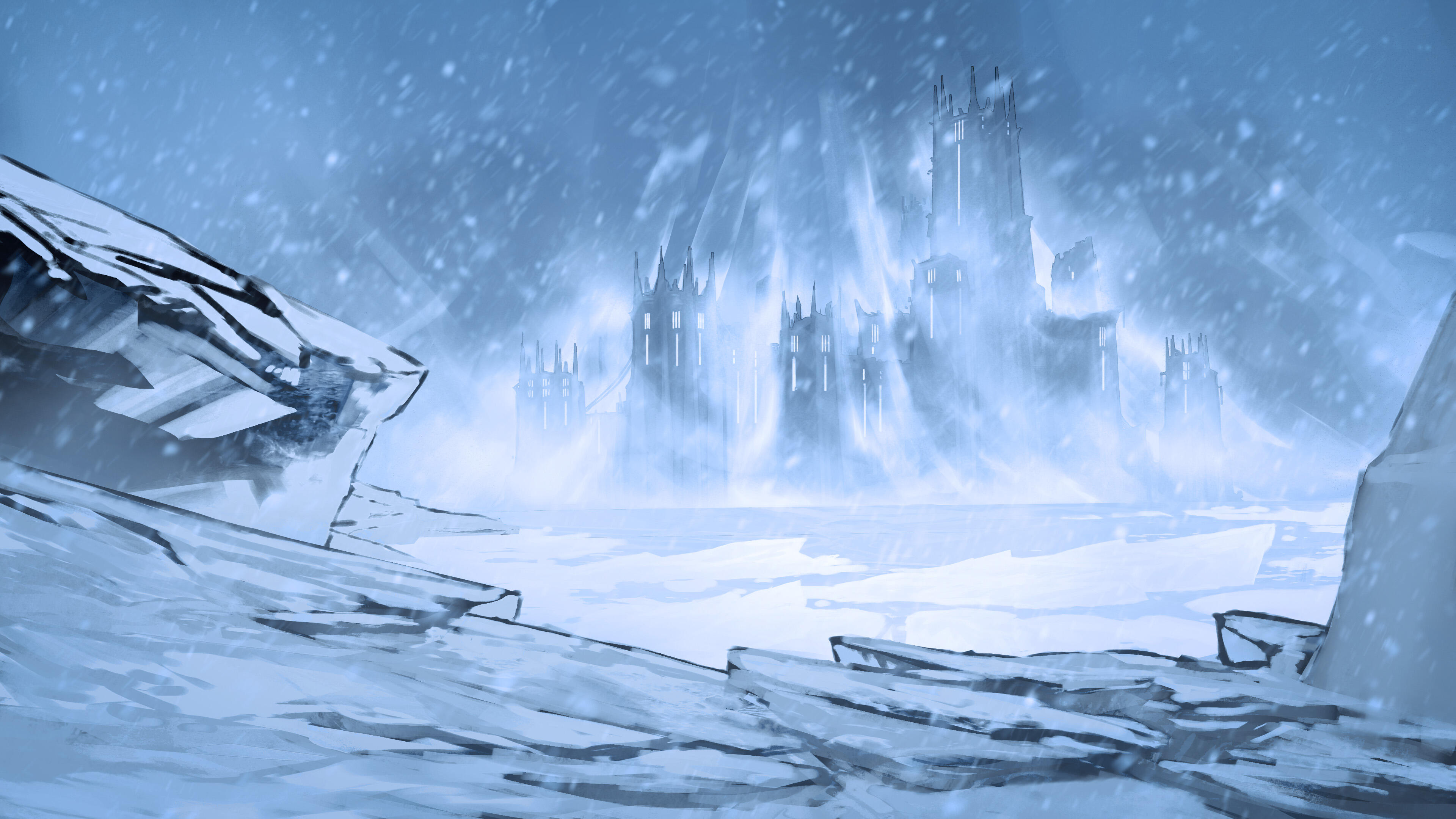
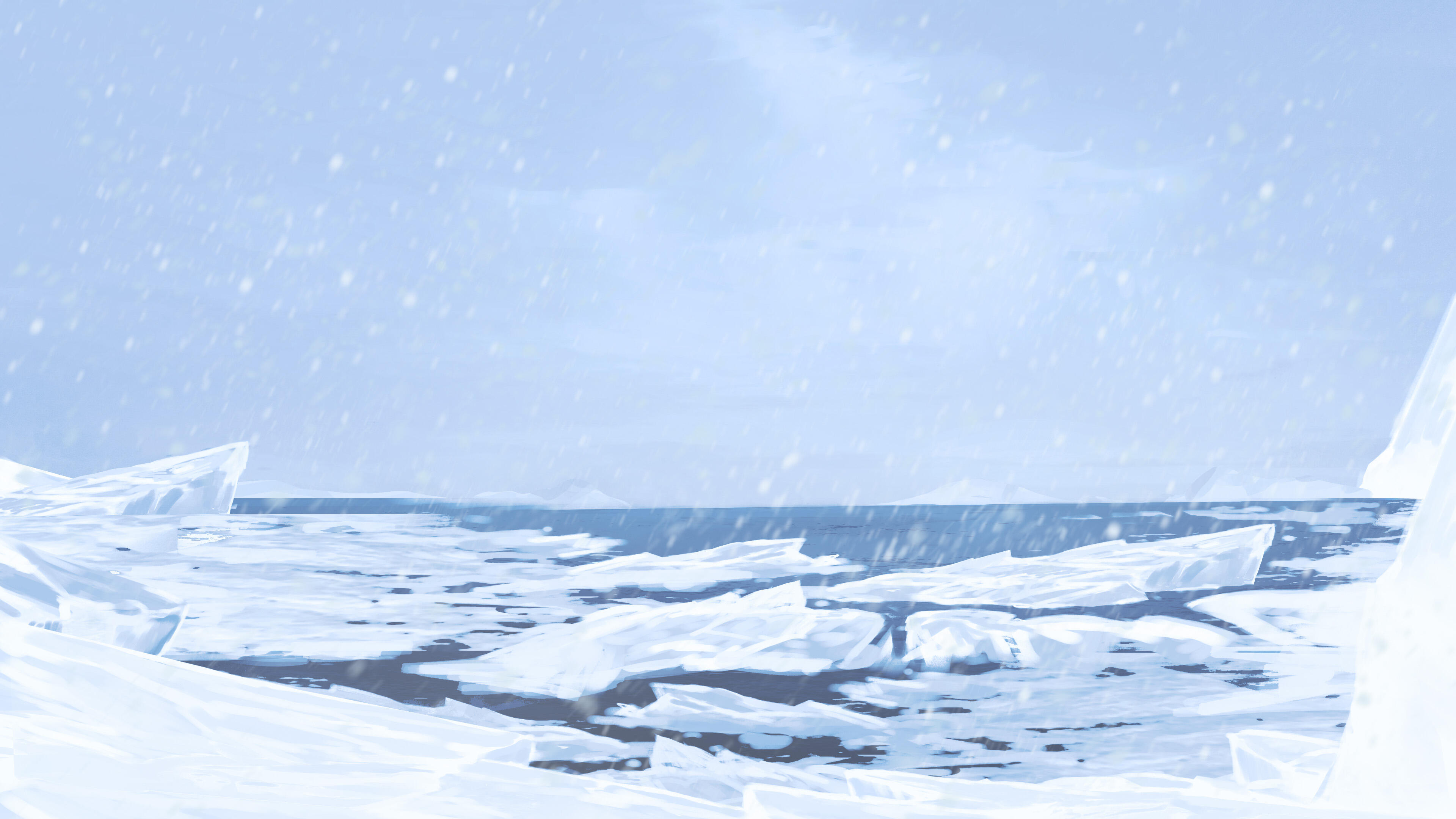
Frigoria is a land of mountains, frozen plains, and vast stretches of ice shaped by persistent cold and strong winds. Long mountain ranges break into arctic tundra, glaciers, frozen lakes, and hard-packed snowfields where visibility can stretch for great distances. Much of the landscape is exposed, with little natural cover, and weather patterns can shift quickly. Settlements are scattered and tend to form in valleys, coastal inlets, or along ridgelines where the land offers some protection from wind and snow.
Movement across Frigoria depends on established routes and knowledge passed down through experience. Frozen rivers and lakes serve as crossings, while mountain passes and coastal paths link distant communities. Settlements remain compact and tightly grouped, rarely spreading far beyond sheltered ground. The land shows clear limits on where long-term habitation is possible, and travel between regions is shaped by terrain, weather, and the narrow windows when conditions allow safe passage.
Winterhold serves as Frigoria’s capital and primary point of coordination, built within a naturally sheltered basin between high ridges. The city’s location offers protection from the worst winds and provides access to several key travel routes that connect distant settlements. Construction is dense and deliberate, with thick stone walls, reinforced roofs, enclosed streets, and covered walkways designed to retain heat and withstand prolonged storms. Storage halls, forges, preserved-food markets, and transport yards make up much of the city’s core.
Rather than functioning as a centre of constant governance, Winterhold acts as a meeting ground where clan leaders and trade organisers gather when coordination is required. Its role is practical and situational, focused on logistics, supply management, and shared concerns that affect multiple regions. Activity within the city fluctuates with weather and travel conditions, but Winterhold remains an essential anchor point, offering stability, resources, and shelter in a land where few places can do so reliably.
Frigorian society is organised around long-standing clans, each responsible for its own territory, resources, and internal leadership. Clans function as both social units and political bodies, shaping daily life through shared labour, mutual protection, and collective responsibility. Leadership within a clan is based on experience and proven judgement; while lineage carries weight, authority depends on capability and trust earnt over time. Decisions affecting a single clan are handled internally, according to established customs and agreements.
Once a year, clan leaders gather to discuss trade, territorial matters, and concerns that affect multiple regions. Outside of this gathering, each clan governs itself independently, maintaining its own practices and obligations. These meetings focus on coordination and necessity rather than prolonged debate, with emphasis placed on practical outcomes and shared stability. Loyalty within clans runs deep, and trust is built through endurance and reliability. Outsiders are treated fairly, but acceptance requires patience and demonstrated commitment, as Frigorians place their faith in those they have stood alongside before.
Frostpine Reach
Frostpine Reach is a stretch of deep, densely packed woodland where dark pines rise high. Wind barely touches the forest floor, and sound carries strangely between trunks. Frostpine Reach is respected and quietly feared, not only for its difficult terrain but for the massive icebears that roam its depths - with jagged icicles forming along their backs, fiercely territorial and known for their relentless aggression. People hunt and gather here carefully, following known paths and long-standing boundaries, fully aware that this forest is not a place to push one’s luck.
Glassridge Lake
Glassridge Lake is a vast body of water locked beneath permanent ice, its surface shaped by pressure, shifting wind, and slow movement beneath the frozen crust. Over time, these forces form long, layered ridges that shine like glass and carry low, resonant tones when struck hard with a hammer or similar weight. The place has also become known as the Path of Names: families and travellers carve marks, symbols, or names into the more stable ridges in memory of those who have passed or were lost. The ice still shifts and breaks piece by piece over the years, but that is part of its meaning - nothing here is truly permanent, yet the act of carving remains a way to say that someone mattered.
Moonfrost Cove
Moonfrost Cove sits along a relatively mild stretch of Frigoria’s coast, where sea winds soften the cold enough for long walks and outdoor gatherings to be possible without constant strain. The town is built around a massive coastal ice wall formed over centuries of pressure and sea spray, its surface laced with pale minerals and faint bioluminescent growths that make it glow softly in shifting blue and silver light at night. Lantern-lined walkways, evening gatherings, music, and small markets often centre around the illuminated ice. It has become especially popular with visitors who want to experience Frigoria’s winter atmosphere without facing its most severe conditions.
Starhaven, The Land of Eternal Darkness
★ Capital: Starhaven
★ Population: humans, elves, hybrids, half-elves, witches, dragonkin
★ Terrain: rocky coastlines and beaches, mixed forests, lake regions, river plains, uneven highlands, mountain ranges, meteor crater zone
★ Notable Exports: N/A
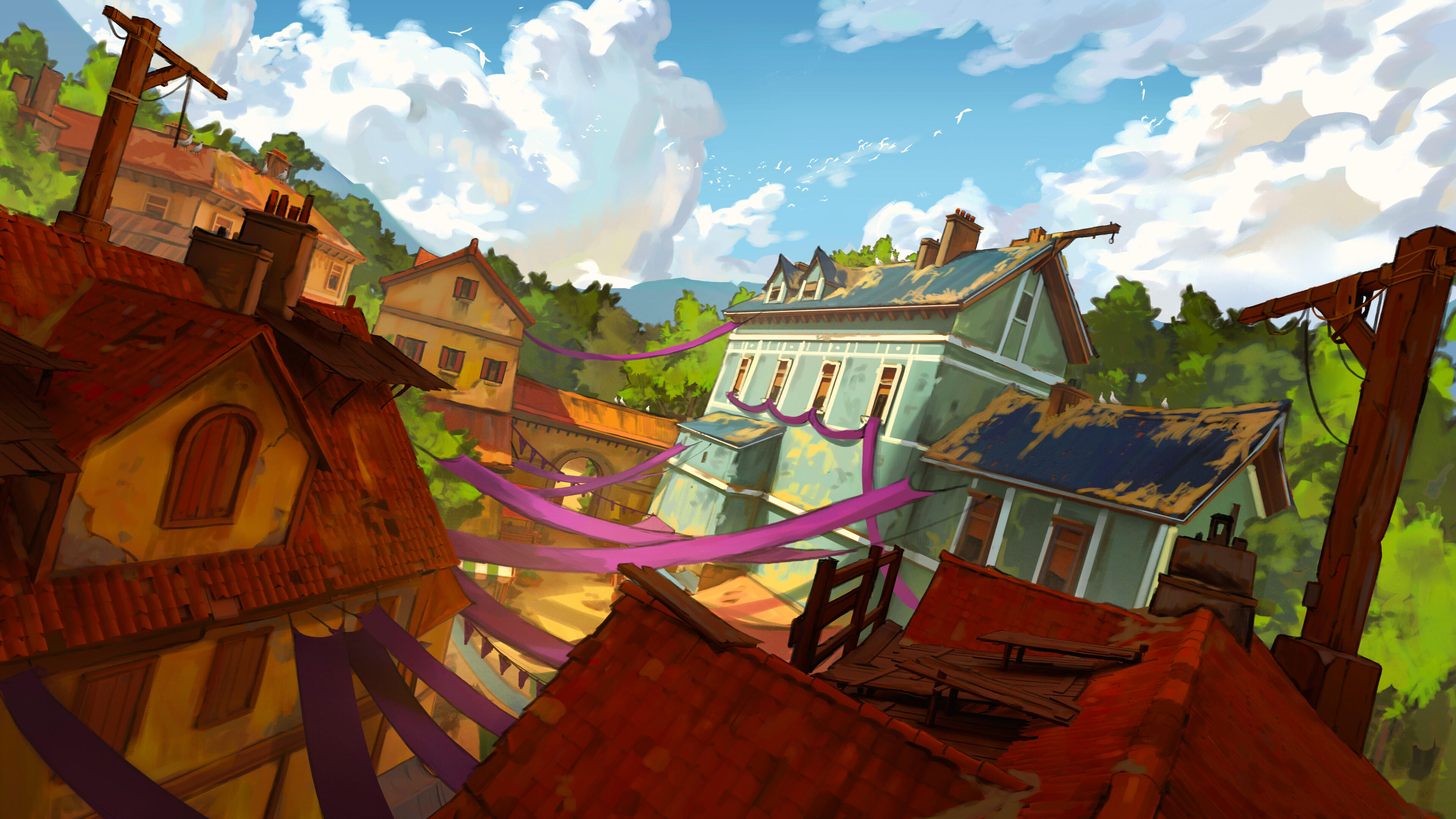
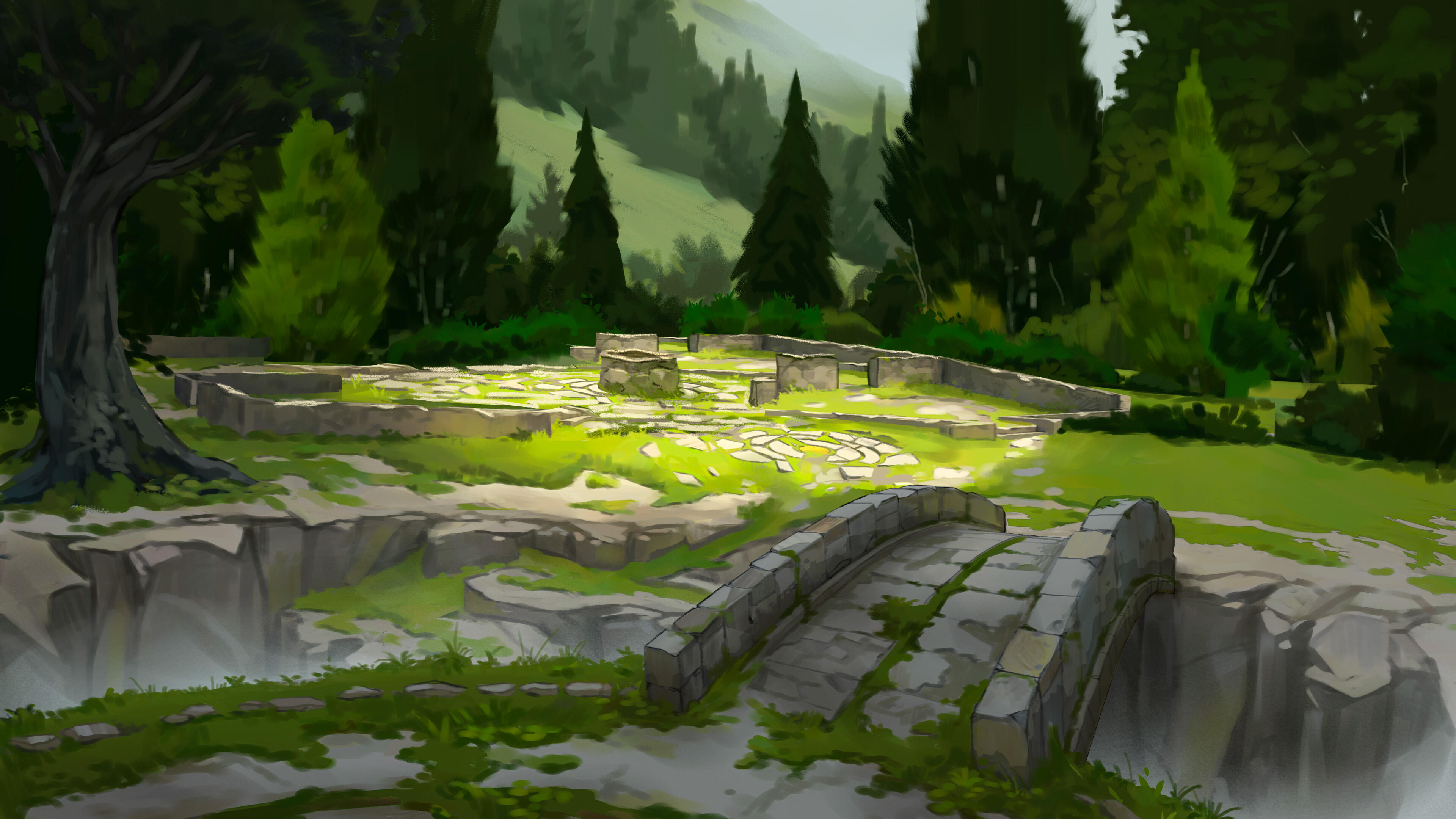
Starhaven is an island where much is still waiting to be discovered. Rocky shores and long stretches of beach lead into forests, plains, lakes, and rising highlands, with much of the inland still left unexplored. Only parts of the island have been properly charted. People understand a portion of the land now, but there are still wide stretches that no one has reached yet.
Where the island was once buried in constant darkness, it now follows the natural cycle of the seasons, shifting from warmth to cold and back again in a way the rest of Mythria no longer does. The title “Land of Eternal Darkness” doesn’t quite seem to fit Starhaven anymore - however, there is still a smaller island to the north that remains locked in perpetual night, often referred to as the Eternal Starfield. It is the last untouched shadow of the world during the Great Darkness.
★ The People ★
Mythria is home to many different lineages, each with its own history, culture, and place in the world. The sections below outline the traits most commonly associated with each of them. These descriptions reflect what is typical within a lineage, but your character does not have to follow them - individual variation always exists.When individuals from different lineages have a child together, there is a 60% chance that the child will be born into the mother’s lineage and a 40% chance of inheriting the father’s lineage. The only exception to this rule appears when elves are involved: if one parent is elven, there is a 20% chance the child will be born as a half-elf.
Common
+1 CHA or INT
★ Humans ★
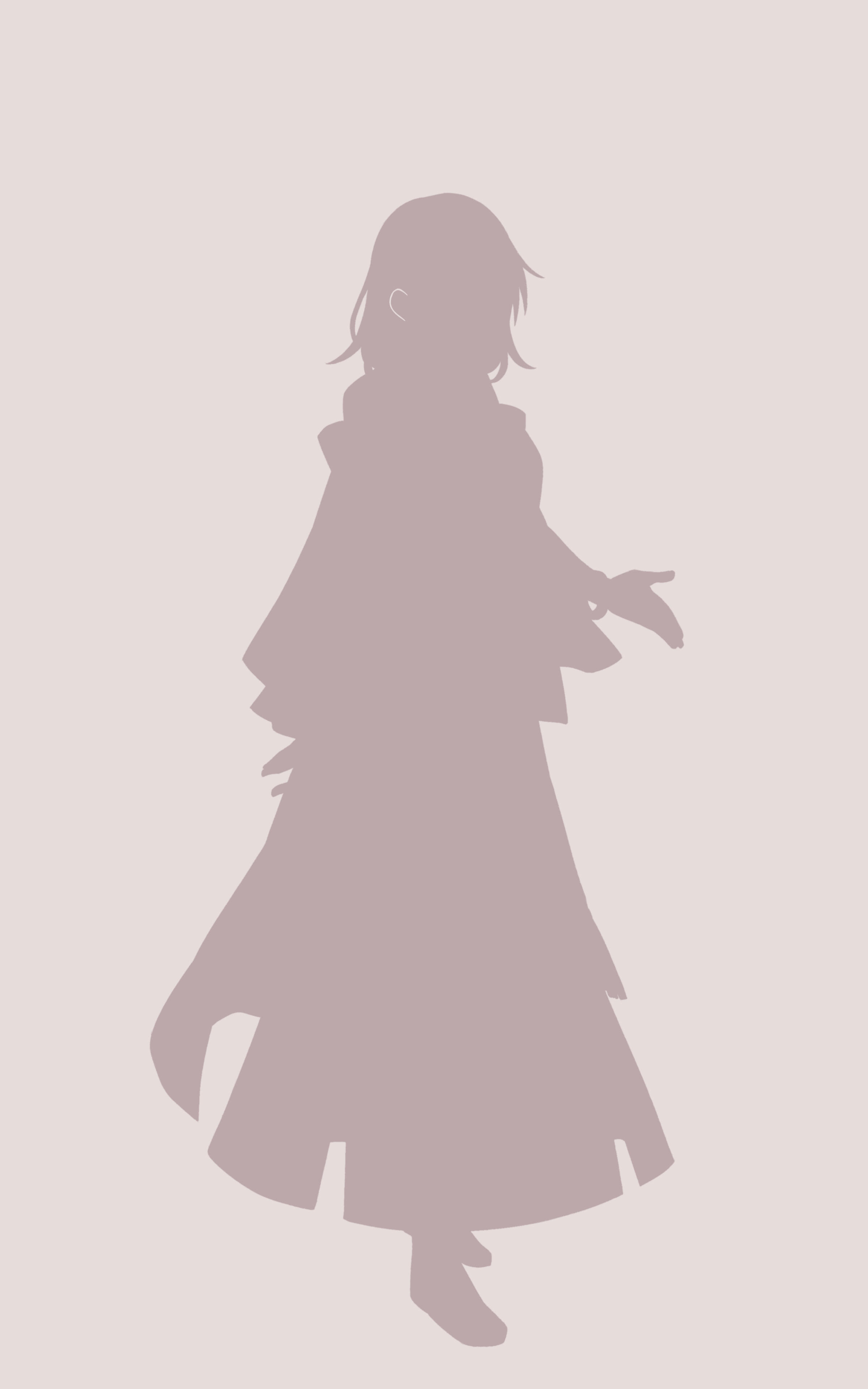
Humans make up the biggest part of the population in Mythria. They are very diverse in appearance with variations in height, skin colour, hair and eye colour. They are well adapted to various environments and can therefore be found almost everywhere across the world. In the past, humans have tried to make up for their generally lower affinity with magic by studying the arcane arts, making many of the world’s most respected scholars and theorists human to this day. Humans age in a way most other lineages recognise as “normal”: childhood, adulthood, and old age progress steadily and visibly, with signs of ageing usually appearing from the late forties onward. Their lives are often shaped by ambition, innovation, adaptability, and strong cultural diversity, leading to vastly different lifestyles depending on where they live. Humans typically live up to 80-100 years.
Old tales about humans often begin with a simple idea: humans were never the strongest, most magical, or longest-lived, but they were the ones the Gods trusted to keep trying. One of the earliest stories says that when the first peoples of Mythria were shaped, others were given clear gifts - power, magic, grace, endurance - while humans asked instead for the chance to learn, adapt, and change, even if it meant failing along the way. The Gods granted it because they were curious what a people without guarantees might become. Some like to twist that into saying humans were secretly the Gods’ favourites; however, most take it as a sign of faith in human persistence. Whether anyone believes it literally or not, it is often said that you can still see it today in how humans live: not always the most gifted, but stubborn, adaptable, and determined to make something of what they have.
Visual Guide
| Required | Permitted | Not Allowed | Ancestral |
|---|---|---|---|
| round ears | any hair colour | mostly neon colours | visible, unusual coloured veins |
| natural skin colour | any eye colour | unnatural skin colours |
Common
+1 DEX or WIS
★ Elves ★
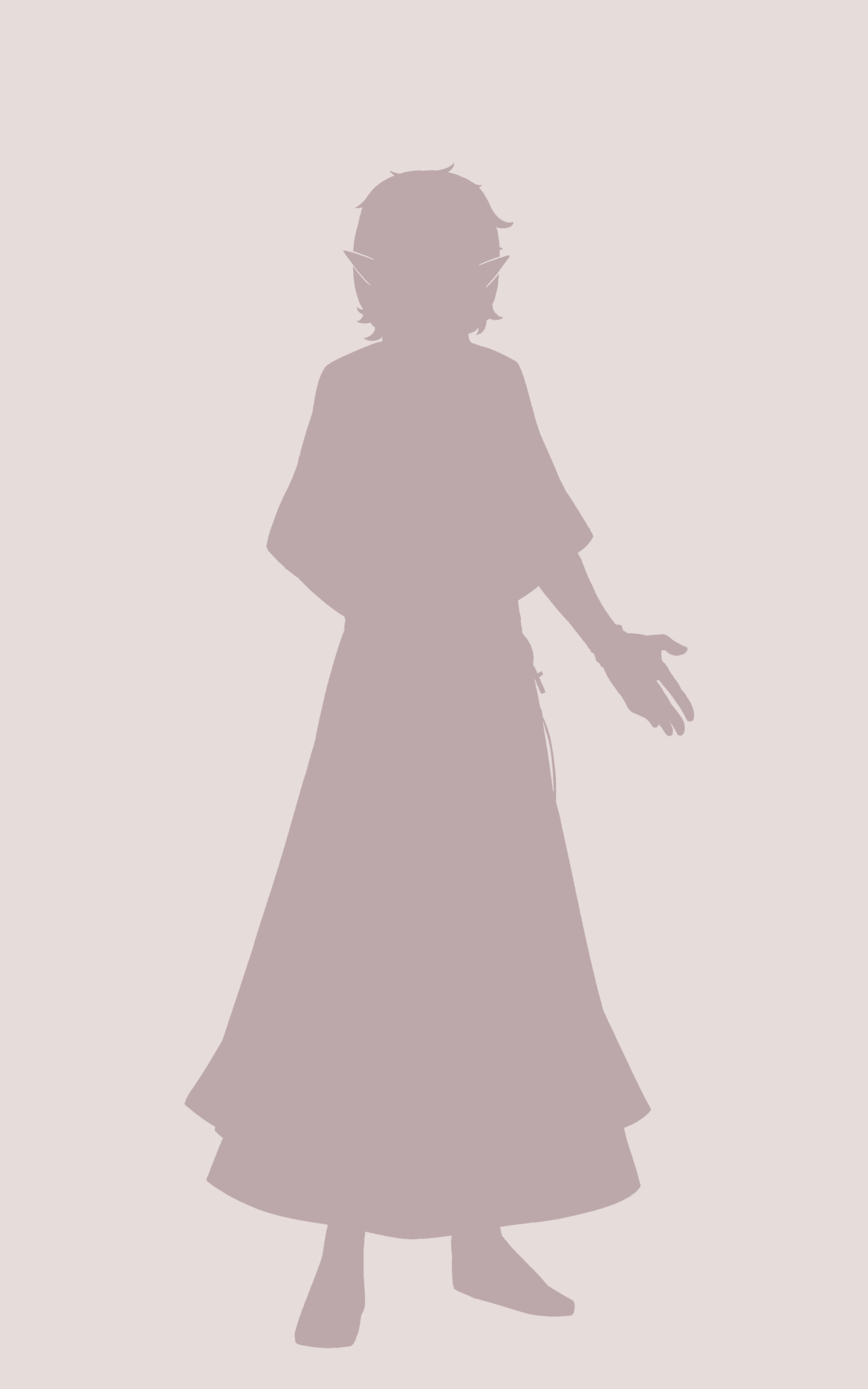
Elves are generally taller and more slender than humans and have distinctly long, pointed ears. Their ethereal features allow them to appear young and graceful regardless of their age, often giving them an almost timeless quality. Elves can be found all across Mythria but often prefer to live close to or within forests, where many of their communities are rooted. Many elves show a natural affinity for wind or earth magic. Elves mature at a pace similar to humans through childhood, but once they reach adulthood their physical ageing slows to an almost imperceptible degree. Many retain youthful elegance for the entirety of their lives. Depending on the purity of their lineage, some may slowly develop subtle signs of age, but they never grow frail or deeply wrinkled in the way humans do. Elves typically live up to 200-250 years.
Some of the oldest stories in Mythria say that elves once stood closest to Lumina and Shadaron - the Goddess of Light and God of Darkness - and through them, nearer to the divine than anyone else. In those tales, elven communities were sometimes spoken of as “of Light” or “of Shadow,” not in a moral sense, but as a way of expressing which divine influence they were believed to align with more strongly. Over time, two descriptions became common: communities with sun-warmed complexions came to be remembered as Sun Elves, said to be linked to brilliance, growth and outward strength, while elves with paler features were called Moon Elves, associated with reflection, endurance and calmness. When the Great Darkness came and both Lumina and Shadaron disappeared, the elves remained, but many believe whatever link they once had to light and darkness faded with them. As the world reshaped itself under the remaining four gods, elven magic seemed to shift too, settling most strongly into wind and earth. Today, the terms “Sun Elf” and “Moon Elf” are still used in some parts of Mythria, sometimes with pride, sometimes simply as convenient shorthand for appearance or temperament, without carrying any official status or strict division.
Visual Guide
| Required | Permitted | Not Allowed | Ancestral |
|---|---|---|---|
| long, point ears | any hair colour | mostly neon colours | coloured sclera |
| natural skin colour | any eye colour | unnatural skin colours | |
| short or round ears |
Common
+1 CON or STR
★ Hybrids ★
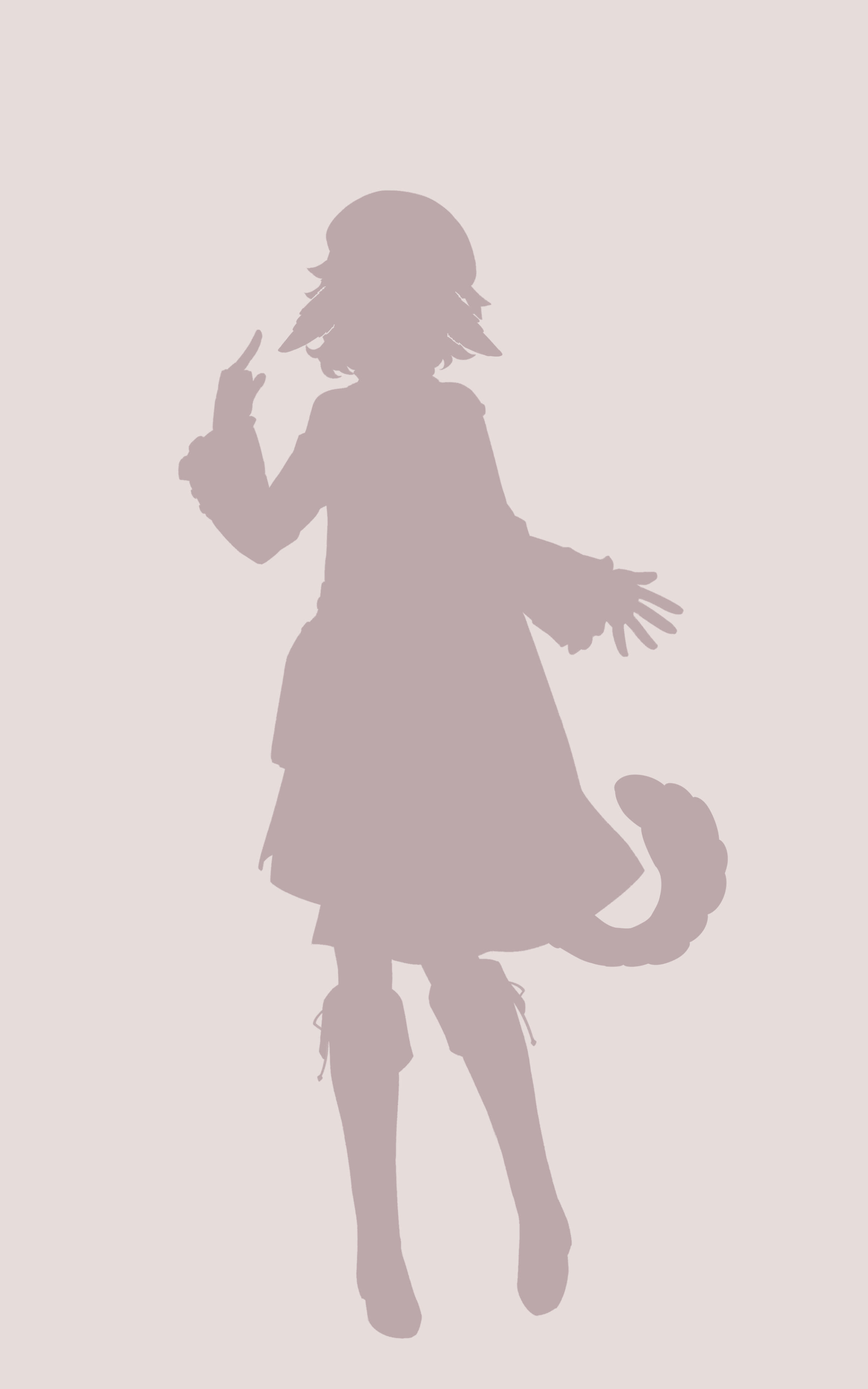
Hybrids look mostly human but possess animalistic traits such as patches of fur, tails, animalistic ears, claws, or other features linked to their specific ancestry. Alongside this, many hybrids display enhanced senses, agility, sharper reflexes, or night vision depending on the creature they descend from. According to old tales, hybrids are believed to be connected to the ancient beasts that once roamed Mythria, and many take great pride in this heritage. They can be found almost everywhere, though they often favour regions where their animal counterparts also thrive. Hybrids age in a way fairly close to humans, though some mature slightly faster in childhood or early adulthood before settling into a similar rhythm of life expectancy. Their cultures and lifestyles vary widely depending on origin, community, and animal lineage. Hybrids typically live up to 70-100 years.
Hybrid ancestry is commonly traced back to the ancient beasts that once roamed Mythria before the Great Darkness, with most old stories agreeing that they came from a time when people and great beasts lived side by side in ways that feel almost unimaginable now. Little is truly known about those creatures today; written records are rare, and what survives comes mostly from scattered accounts, half-preserved texts, and a handful of old illustrations. These descriptions often speak of enormous, powerful animals - larger, tougher, and seemingly more deeply bound to the natural world than anything living now, sometimes described as bearing faint rune-like markings, unusual colouration, or signs that seemed to suggest a closeness to raw magic. Older legends often suggest that the first hybrids were much closer to their bestial heritage than modern ones: more physically formidable, more instinct-led, and far less shaped by structured society. Over centuries of adaptation, mingling with other lineages, and simply living within settled communities, that wild edge is said to have softened. Many hybrids view that history with a mixture of pride and distance - a reminder that, even if the world has changed, their roots lie in something powerful, untamed, and deeply woven into Mythria’s earliest past.
Visual Guide
| Required | Permitted | Not Allowed | Ancestral |
|---|---|---|---|
| mostly human appearance | any hair colour | mostly neon colours | more beast-like traits |
| features that fit their respective animal | any eye colour | unnatural skin colours | digitigrade legs, hooves, talons |
| appearances based on land mammals, reptiles or birds | wings (not capable of flight) | digitigrade legs, hooves, talons | |
| natural skin colour | tails, horns, whiskers, toe beans, animal ears, fangs, retractable claws, unusual tongues, unusual pupils | pointy ears | |
| more than one pair of ears | |||
| more than one set of legs or arms | |||
| appearances based on insects, arachnids or sea creatures |
Uncommon
+1 DEX or CON
★ Half-elves ★
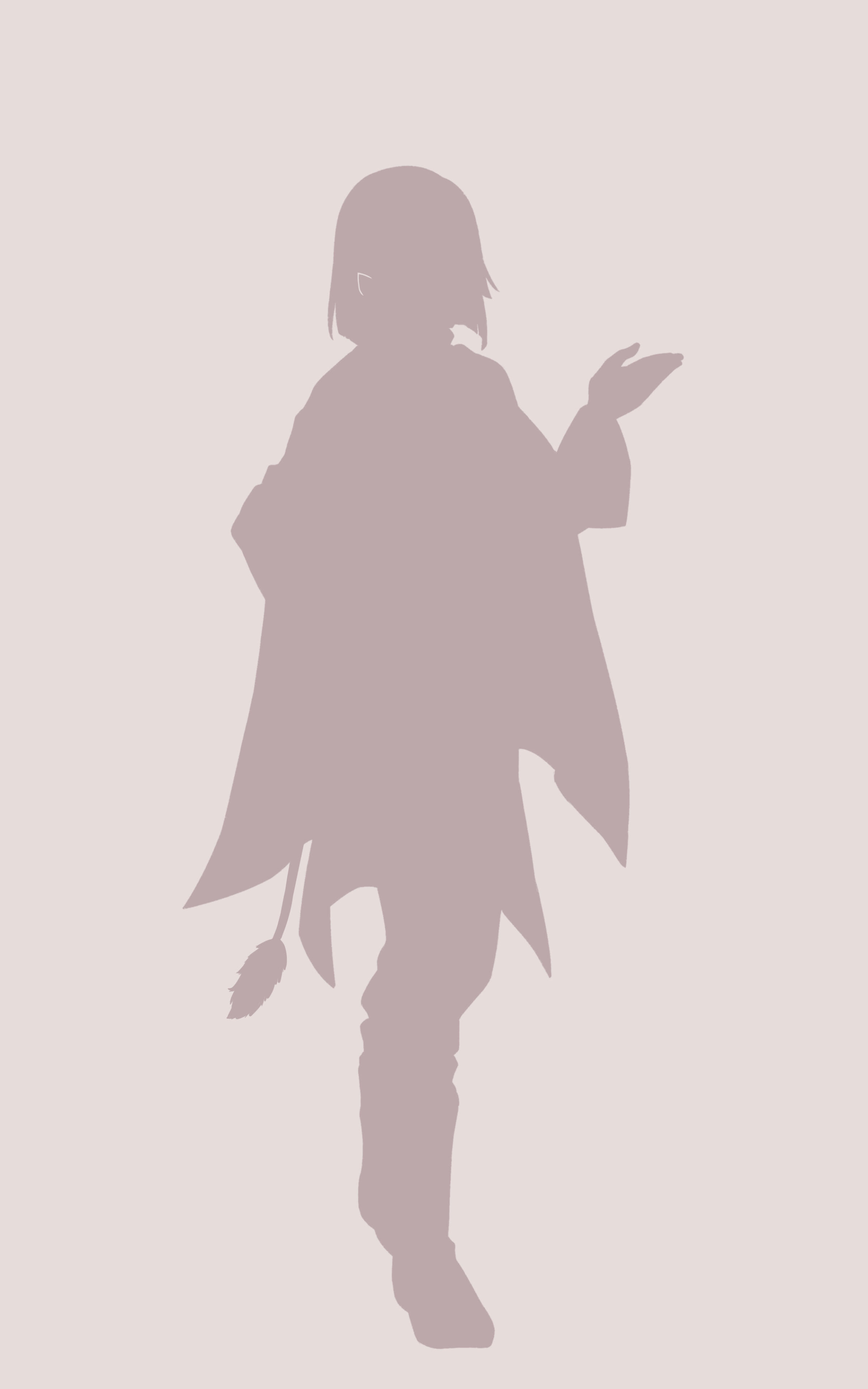
Half-elves blend traits of their elven and non-elven heritage. Their appearance varies widely depending on parentage, though one shared feature is their short, pointed ears. Some may inherit small horns from dragonkin ancestry, or animal traits like paw pads or tails if one parent is a hybrid. They often grow up between cultures, which can make them highly adaptable, empathetic, and socially flexible. Half-elves age in a way that sits between their bloodlines. They mature at a normal pace, but once they reach adulthood they tend to retain youthful appearances longer than humans, achieving a slower, gentler visible ageing process without ever matching the timeless appearance of elves. Eventually, age still becomes visible, just later in life. Half-elves typically live up to 100-120 years.
Some of the oldest stories say that because elves once stood closer to the divine than any other people, they also lived more deeply among the rest of Mythria than other lineages did. They travelled widely, shared knowledge, built communities alongside others, and rarely lived entirely apart. Over generations, those connections sometimes turned into families, and children were born carrying both sides of that heritage. Older records suggest there was once curiosity and debate about what the existence of half-elves meant - whether they blurred lines that were meant to stay separate or whether they reflected the world simply adapting as it always had. Over time, the latter view became the quieter consensus, and today half-elves are generally regarded as a natural and long-rooted part of Mythria rather than an anomaly. For many, half-elves have simply come to represent the idea that families, history, and belonging are rarely as simple as they first appear.
Visual Guide
| Required | Permitted | Not Allowed | Ancestral |
|---|---|---|---|
| short, pointy ears | any hair colour | mostly neon colours | 1 ancestral feature that fits their respective parentage |
| 1 visual feature that fits their respective parentage | any eye colour | unnatural skin colours | |
| natural skin colours | more than one pair of ears | ||
| more than 1 visual feature that fits their respective parentage |
Uncommon
+1 INT or WIS
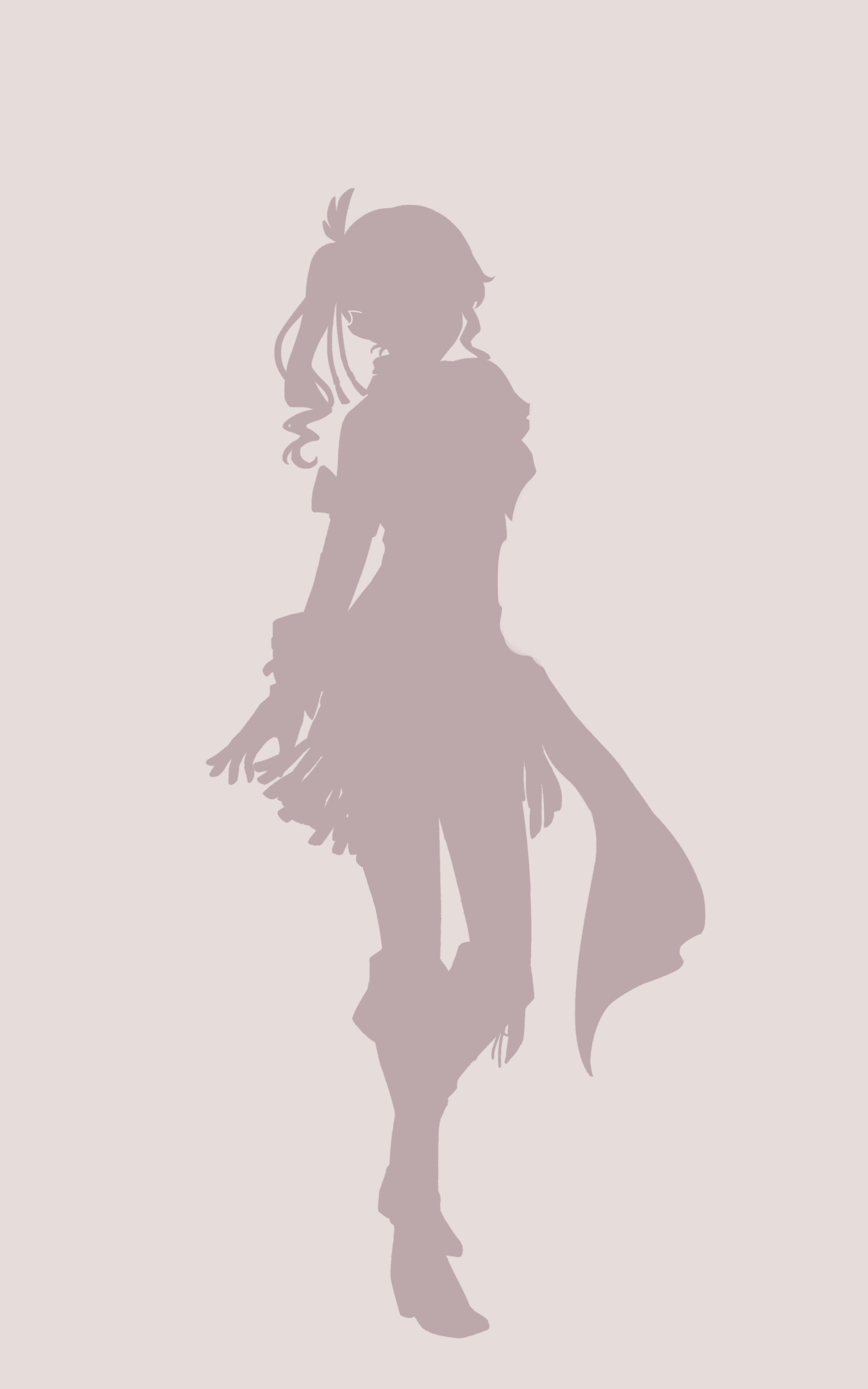
★ Witches ★
Witches are easily recognisable by their forked ears and gemstone-like eyes, which are often considered striking and otherworldly. Old stories claim that the first witches were once humans blessed by the Gods, granted stronger affinity for magic in recognition of their devotion. Because of this, witches display a trait unique to them: an affinity for two types of magic. Their long traditions in herbalism and alchemy have shaped strong cultural practices, leading many witches to become renowned herbalists and scholars of magical craft. Many of them live in Gildenfall. Witches mature at the same rate as humans, but age more slowly thereafter. Physical signs of ageing emerge later and progress more gradually, which has led to their reputation for “ageing well". Witches typically live up to 150-180 years.
Old stories place witches firmly within humanity’s history, saying they began as people who, through devotion, study, or relentless determination, drew the attention of the Gods more strongly than most. Where humans were trusted to keep pushing forward with ordinary means, these individuals reached so deeply into magic that they were granted something extraordinary in return: a second magical affinity. That blessing reshaped them, marking them outwardly as something new. Their ears became forked, said to symbolise their split bond to two elements at once, and their eyes took on their distinctive gemstone-like brilliance. Yet many tales emphasise that the blessing did not come without distance. Humans remained the ones trusted to grow through effort, while witches became something set apart - honoured, yes, but no longer seen as standing in the same place before the Gods. In the beginning, people viewed them with a blend of respect and unease, struggling to decide whether they were blessed or burdened. Over generations, that uncertainty softened into understanding: witches were not chosen above others, but a people reshaped by magic, carrying both its advantages and the weight that came with it.
Visual Guide
| Required | Permitted | Not Allowed | Ancestral |
|---|---|---|---|
| short, forked ears | any hair colour | mostly neon colours | unusual pupil shape |
| gemstone-like eyes | any eye colour | unnatural skin colours | |
| natural skin colour | pointy, forked ears | long ears |
Rare
+1 STR or CHA
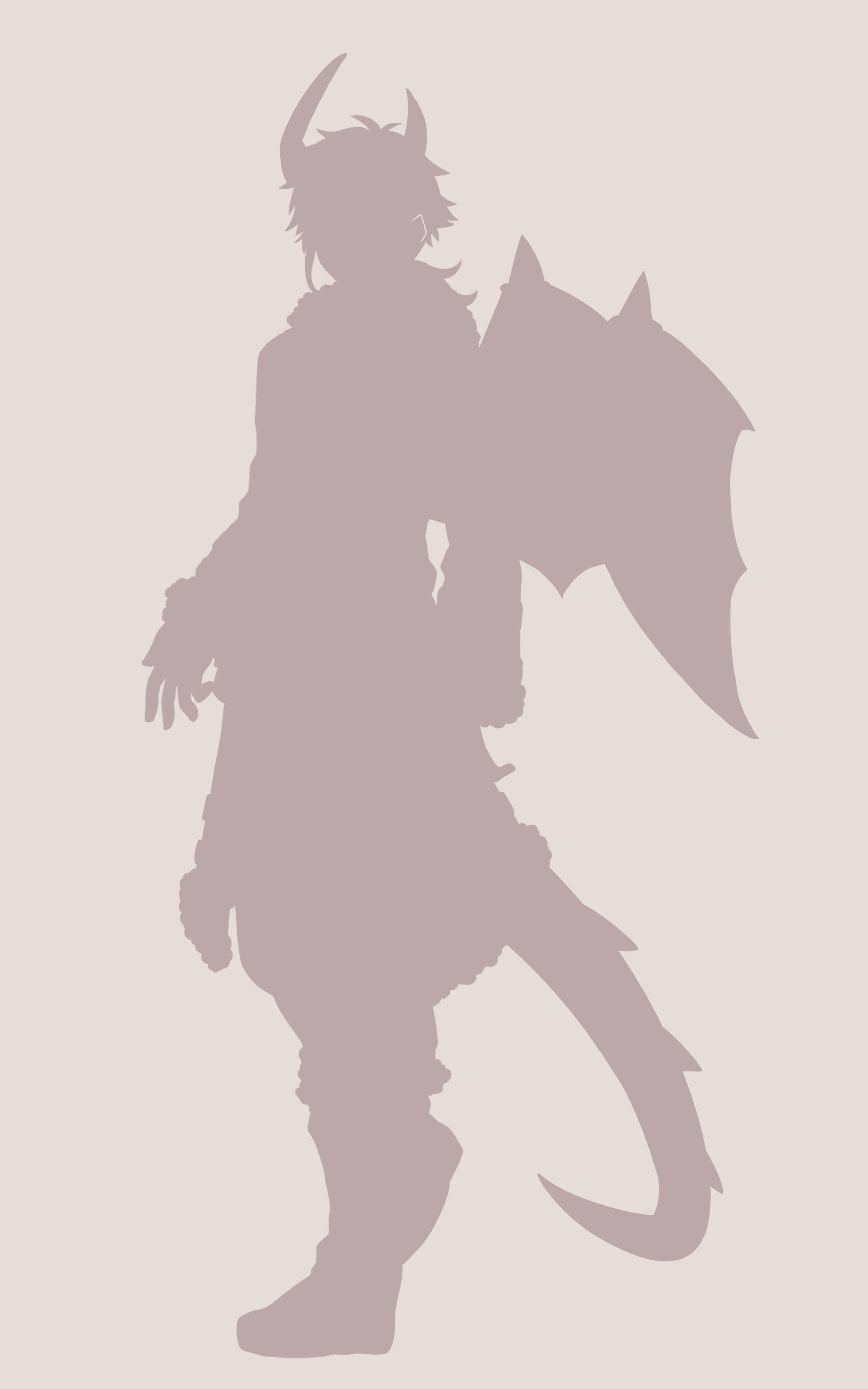
★ Dragonkin ★
Dragonkin resemble humans but possess draconic traits such as horns, scales, reptilian eyes and claws. Their presence often feels powerful and commanding, leading others to see them as either intimidating or strikingly charismatic. Dragonkin are believed to be descendants of the ancient dragons that once lived in Mythria and make up for the smallest part of the world's population. Many prefer isolated settlements, valuing independence, strength and tradition. Just like their ancestors, they possess an innate strong affinity for magic. Dragonkin age very differently compared to most other peoples. They grow and mature normally through childhood and early adulthood, but after reaching roughly thirty years of age, their physical ageing slows dramatically. Many remain in what appears to be their physical prime for centuries, with visible signs of age appearing only late in life. Dragonkin usually live up to 250-300 years.
In preserved writings and historical accounts, dragonkin are consistently identified as the youngest of Mythria’s lineages, first appearing in the last years before the Great Darkness. Some tales claim the dragons watched how the Gods shaped people and grew curious - or envious - of what it meant to have followers, children, and communities bound to them by belonging. According to these versions, the dragons approached the Gods and asked for the right to create a people of their own, something that would carry their strength and presence into the world in another form. Other stories are less reverent, insisting that dragons were powerful enough to do it without divine permission at all - that the dragonkin are proof dragons were closer to gods than most ever realised. What actually happened is lost to history, but dragonkin are widely seen as carrying a direct bond to dragons, a closeness that still shapes how people think of them today.
Visual Guide
| Required | Permitted | Not Allowed | Ancestral |
|---|---|---|---|
| mostly human appearance | any hair colour | mostly neon colours | more dragon-like traits |
| horns | any eye colour | unnatural skin colours | digitigrade legs |
| tails | leathery wings (not capable of flight) | antlers | |
| natural skin colour | slitted pupils, forked tongue, scaled skin, big claws | whiskers | |
| round or pointy ears | long ears |
★ The Gods ★
The Gods of Mythria are said to originate from a distant realm known as the Sea of Stars, the birthplace of their magic and the source from which they shaped the world. Creating Mythria greatly weakened them, but it was the Great Darkness that truly pushed their powers to the brink. When the world was plunged into endless night, Caelestis, Ashen, Erdar and Maristelle poured their remaining strength into lifting the darkness and reshaping the lands, ensuring life could continue. As a result of expending so much power, they fell into a deep slumber, from which each one now awakens only once a year on their Day of Renewal to bless the world with renewed magic, strengthening the lands so they are not lost to darkness again. Lumina and Shadaron, however, never returned after the Great Darkness. Their disappearance remains one of the greatest mysteries in Mythria’s history, with the most widely accepted theory suggesting a conflict between them that ended in Shadaron banishing or possibly destroying Lumina, though no one truly knows for certain.Although the Gods’ existence isn’t disputed, how people choose to honour them varies. Worship is not enforced or strictly expected; most people simply pay respect during holy days or at important moments in their lives. Some prefer to honour all of the Gods, while others devote themselves primarily to one or two. Caelestis, Ashen, Erdar, and Maristelle are the most commonly worshipped, as their blessings are directly tied to the lands people live in and rely on. People still honour Lumina, though her worship is no longer as common or broadly practiced as that of the other Gods, often held by those who feel a personal or cultural connection to her memory. Shadaron is still worshipped as well, though those who do so tend to keep their faith more private. Because of the stories surrounding Lumina’s fate, many view open worship of him with caution. It's not condemned, but approached with unease, as people are never entirely sure what it means to devote oneself to a God whose last known act is still debated.Even for those who don’t actively worship, there is a common belief about what lies beyond life. Many say that when someone dies, their soul returns to the Sea of Stars and becomes a star watching over the world. Others speak of the Black Tides, a place said to claim souls burdened by cruelty, regret or darkness of heart. Some believe the Gods guide each soul to where it belongs, while others say every spirit simply drifts toward whatever reflects it best. And so the night sky, bright or starless, is often seen as a reflection of the worlds believed to wait beyond life.
Caelestis, the Goddes of Wind
Patron of Spring
Day of Renewal: March 21st

Caelestis is described as free-spirited and unpredictable, embodying the wind’s constant movement and change. She is admired for her creativity, curiosity, and sense of possibility, but she is also known for being distant and difficult to grasp. Many see her as the protector of travel, new beginnings, inspiration, and the courage to move forward, even when direction is uncertain.People who feel a strong connection to Caelestis pray for safe passage, clarity in moments of doubt, and the strength to adapt. On her Day of Renewal, celebrations are held outdoors wherever possible. Lightweight charms, ribbons, handwritten wishes, or lanterns are released into the wind as offerings, symbolising hopes entrusted to her. Travellers often whisper their intentions to the breeze before departing, and artists sometimes leave unfinished work exposed to open air overnight, believing inspiration returns with the morning wind.Caelestis is believed to slumber deep within the Whispering Canyons in Vernalia, a vast maze of towering stone walls shaped by wind over countless ages. They twist so far and so intricately that walking through them can feel like stepping into the movement of the wind itself. The canyons are said to remember every voice carried through their passages. Many who visit tie small ribbons, feathers, or cloth along cliff rails and rock formations, leaving them to flutter endlessly as a living prayer field.
Ashen, the God of Fire
Patron of Summer
Day of Renewal: June 17th

Ashen is spoken of as fierce, passionate and proud, capturing the essence of unyielding fire in his very being. He is admired for his strength, determination and unshakable sense of duty, but equally known for his intensity and the weight of expectation he represents. Many see him as the guardian of courage, protection, resolve, and the will to stand firm when everything else threatens to break.Those who honour Ashen pray for bravery, endurance, and the strength to defend what matters. His Day of Renewal is marked with bonfires, blazing torches, and long-burning braziers that are tended throughout the night as signs of loyalty and perseverance. Warriors, guardians, and those taking on great responsibility often offer metal tokens, weapons, or forged items to the flames, symbolising vows of protection. In quieter moments, families light small hearth flames to ask for resilience in hardship and unity in times of conflict.Ashen is believed to slumber within Mount Emberpeak in Solterra, a towering active volcano whose heart is said to pulse with his lingering power. Pilgrims who travel there rarely seek to climb it; instead, they leave offerings at safe vantage points surrounding the mountain, watching the glow of molten rock and rising ash as a living reminder of his presence. Many say the mountain breathes with him, showing that true strength is not only loud and destructive, but enduring and steadfast.

Erdar, the God of Earth
Patron of Autumn
Day of Renewal: September 23rd
Erdar is widely known as patient and deeply compassionate, embodying the quiet strength of soil, stone, and growing roots. Where some Gods are seen as dramatic or imposing, Erdar is seen as dependable - he is the one who waits, supports, and endures. Many speak of him as the guardian of harvests, shelter, family, and the continuance of life.People who honour Erdar tend to ask for stability, health, and the strength to keep going through difficult times in prayers. Offerings are rarely grand; they are thoughtful and personal. Seeds, tools repaired instead of discarded, loaves of bread baked from community harvests, and small tokens of gratitude are commonly left at shrines or buried at the edge of fields. On his Day of Renewal, many households share communal meals, repair what has worn down, and take time to thank the land itself. Farmers bless their soil, families bless their homes, and travellers often carry a small stone or dried leaf as a reminder of him.Erdar is believed to slumber deep beneath the Emerald Woods in Gildenfall, beneath an immense ancient tree whose roots are said to reach into the heart of the world. The ground there is always warm, and many travellers claim the air feels calmer and comforting. People who visit often leave tokens at the base of the tree - carved wooden charms, small bundles of grain, or handwritten thanks tucked gently between roots - not demanding miracles, but acknowledging the support they believe he still gives simply by existing.

Maristelle, the Goddess of Water
Patron of Winter
Day of Renewal: December 11th
Maristelle is described as thoughtful, perceptive, and endlessly searching, embodying the depth and constant motion of the sea. She is admired for her wisdom and calm presence, but many also speak of an underlying mystery about her. People look to her as the guardian of knowledge, seafarers, healing, and those who face uncertainty.Followers of Maristelle commonly pray for guidance in difficult choices, strength to endure emotional storms, or safe passage across dangerous waters. On her Day of Renewal, rituals tend to centre around reflective practices: floating candles on lakes or sea waves, offerings cast gently into water, written worries dissolved in bowls, or silent vigils along shorelines. Scholars sometimes leave written works sealed in waterproof cases near water overnight, while healers quietly dedicate their work to her, believing compassion itself is a form of devotion.Maristelle is believed to slumber somewhere in the depths of the Azure Sea around Frigoria, far beneath the frozen surface where the world grows dark and sound fades into distance. Sailors tell stories of faint lights flickering deep below or distant echoes that do not belong to any creature they know. Some coastal communities build small shrines near the shore or carve them into ice cliffs, leaving shells, glass beads, and polished stones as offerings - tokens meant to sink, settle, and eventually drift toward Maristelle in the hidden places of the sea.
Lumina, the Goddess of Light
Patron of the Day
Day of Renewal: None

Lumina is remembered as radiant, steady, and unwavering - the embodiment of warmth, truth and guidance. Old stories describe her as a presence that brought reassurance simply by existing, a light that revealed what was hidden without cruelty and offered comfort without demanding devotion. She is often associated with hope and the idea that even the smallest spark of light can keep fear at bay. Yet, that same brightness also carries expectations; Lumina is said to see clearly into hearts and intentions, making her both deeply loved and quietly intimidating.Despite Lumina’s disappearance, devotion to her never vanished. Without a Day of Renewal or a visible divine presence, most worship shifted into something more personal. Many people still honour her through small rituals - candles lit at dawn, lanterns left through the night, or charms shaped like suns carried for comfort and hope. Prayers to Lumina ask for the strength to live by what she once embodied: warmth, honesty, and compassion.Public observance varies across Mythria. Some communities pause at sunrise to reflect, others teach their children about kindness and living with empathy and conviction through tales of the lost Goddess of light. Her worship may no longer be as widespread or formal as that of the remaining Gods, but it persists and is sustained by memory, faith, and the belief that light, once given, does not simply disappear.
Shadaron, the God of Darkness
Patron of the Night
Day of Renewal: None

Shadaron is usually described as watchful and difficult to fully understand. He is said to represent what exists when the light fades: the embodiment of night, secrets and the parts of life that do not need to be seen. He is often linked to secrets, the things people hide, and the idea that darkness doesn’t erase truth - it simply keeps it where only those who dare to look will see it. Shadaron is said to see what people try to mask, which makes him comforting to some and difficult to approach for others.Although he has disappeared, Shadaron is still honoured in some parts of Mythria, but his worship feels different from that of the other Gods. People who honour him rarely do so in public. Most prayers to him are spoken in the dark, written down and hidden away, or simply thought rather than voiced. His worship often revolves around honesty that isn’t meant to be shared with the world: fears, grudges, regrets, secrets, and the parts of life people would rather not put on display.Some communities keep night vigils, where people stay awake through the late hours to sit with their thoughts, acknowledge what they’ve gone through, and accept what cannot be changed. Sailors who travel under starlight, those who work through the night, mourners, and people dealing with difficult truths are especially likely to turn to him.
★ Magic ★
Magic lies at the heart of Mythria. Though the Great Darkness weakened it and changed how people interact with it, it remains present in every living being and in the land around them. Today, magic is something that must be guided rather than freely wielded, supported by research and crafted tools. How it is used, who can access it, and how strongly it shapes daily life varies greatly from place to place, but it is still one of the defining forces of the world.
★ More on Magic ★
Magic is woven into the foundation of Mythria itself. Because the world was created through magic, everything living within it carries a trace of that power. Every person is born with magic already inside them, it is simply part of their existence from the moment they live. Old legends speak of an age when people could draw on that power easily and shape the world with it: lighting fires with bare hands, freezing water in a breath, bending wind or shaping stone through will alone. After the Great Darkness, however, the magic in the world weakened, and with it the magic within people. Nowadays, people can no longer wield magic freely. Instead, scholars learnt to use special gems and minerals to stabilise and channel magical energy, allowing people to control the magic they still carry.Many scholars describe magic using a simple image: a small flame that burns inside every person. That flame never goes fully out, but it does not burn the same for everyone. Some people are born with flames that burn stronger and steadier, making it easier for them to tap into magic when paired with the right item, while others have much fainter flames that are harder to draw upon. Still, the flame exists in every living being, even those who never learn their affinity or never touch a magic item in their lives.Everyone is inherently attuned to one of six magical elements: wind, fire, earth, water, light, or darkness. Witches are unique, possessing a connection to two elements instead of one. Many people never formally discover what their affinity is, though scholars have created tests for it, and the Fatesight Flower remains one of the most well-known ways to reveal a person’s element through colour. Recently, researchers in Starhaven achieved something once thought impossible: changing a person’s elemental affinity. This process does not make someone stronger or grant more magic, however - it simply alters which element their inner flame aligns with.
★ More on Magic Items ★
Magic items are a valuable commodity in Mythria. Due to their high cost and limited availability, they aren’t something you can simply purchase anywhere. In many cases, magic items are passed down through families as heirlooms, while others are gifted on important occasions such as graduations or weddings. Because of this, ownership often carries sentimental value alongside practical worth. Every magic item is built with a single, clear purpose in mind. A tool meant to ignite flame will only ever ignite flame, no matter who wields it. Items that heal will heal, items that cool will cool - versatility is rare, and most objects are intentionally specialised to remain stable and predictable. The more demanding an effect, the more complex and expensive the item usually is.There are two types of magic items. Personal magic items draw power directly from the user and therefore must match their elemental affinity. Someone aligned with fire cannot safely or successfully use a personal item created for water, for example, and vice versa. These are the most common kinds of magic tools, but their usefulness depends entirely on the individual’s own magical strength. Self-powered magic items, by contrast, hold their own stored energy. Because they do not rely on the user’s inner magic, anyone can operate them regardless of affinity. However, they eventually run dry and must be recharged by trained specialists or through specific facilities capable of handling contained magic. Everyday conveniences like magical lighting or cooling devices often fall into this category.Access to magic items varies greatly. Wealthy cities have dedicated artisans, researchers, and trade routes that make acquisition easier. Smaller towns may only have a handful of items shared by a community, unless they specialise in magical craft themselves. As a result, magic items shape daily life unevenly across Mythria - common in some places, rare and almost mythical in others.
★ Flora & Fauna ★
Starhaven is famous for life that exists nowhere else in Mythria. Strange plants and entirely new species of wildlife thrive here, forming an ecosystem unlike any other. As the island continues to be explored, more discoveries may still be waiting to surface. For ease of organisation, all unique plant life found on the island - including fungi - is grouped under the flora section below, while all animal life is listed under fauna.
Fatesight Flower
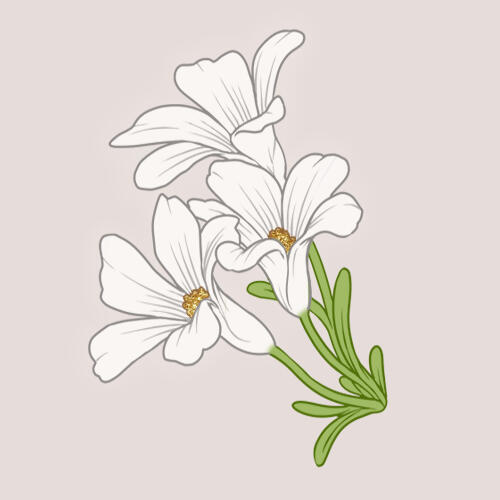
Fatesight Flowers aren't unique to Starhaven, but it is quite peculiar that they have been growing there in perpetual darkness. These flowers have a unique property to them: when touched, they will change their colour to match the magical affinity of the person who touched them. The stamen of this flower produce golden, glistening pollen.
Wind = shades of light purple
Fire = shades of red
Earth = shades of brown
Water = shades of blue
Light = shades of yellow
Darkness = shades of black
Arable: No
Edible: No
Bluefrost Kelp
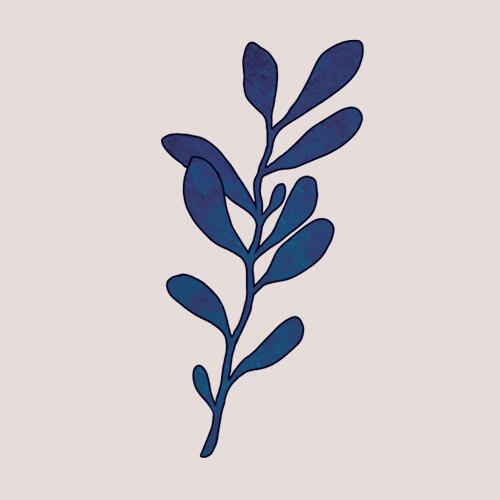
Dark-blue algae that were found in the water surrounding the island. They are cool to the touch and continue to stay cool for up to 24 hours after being harvested. They are somewhat crunchy and taste very refreshing. Bluefrost Kelp can be used for both medicinal and culinary purposes.
Arable: No
Edible: Yes
Moonveil Herb
Delicate, translucent herbs with pale white leaves that seem to shimmer faintly under the moonlight. Cool and smooth to the touch, they carry a subtle, almost mint-like scent. Moonveil Herbs are often used in teas and medicinal salves, known for their calming properties and ability to soothe mild fevers. Some claim they enhance dreams, making them more vivid and easier to recall.

Arable: Yes
Edible: Yes
Lumegrass
Vibrant herbs that come in a variety of colours, each shade said to have distinct properties. Fine, powdery pollen coats their blades, carrying the herbs’ beneficial effects. Red is believed to promote endurance and vitality, orange sharpens focus, yellow boosts energy, green aids digestion, blue promotes relaxation, indigo eases tension, and violet supports restful sleep. Commonly used in tonics, teas, and herbal remedies, Lumegrass is valued for its versatile benefits.
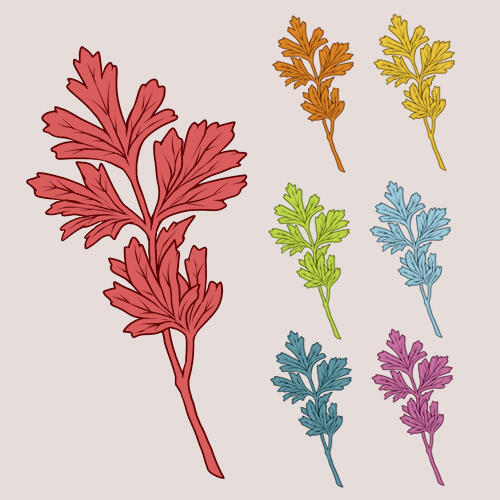
Arable: No
Edible: Yes
Bloomshroom
Flowering mushrooms that disguise themselves as plants, unfurling their caps like petals when exposed to sunlight. Along their stems grow leaf-like fronds that open and spread during the day, aiding in spore dispersal by catching warm air currents. At dusk, both caps and fronds slowly close again, returning the fungi to a bud-like shape. Bloomshrooms come in a range of soft colours and are often mistaken for harmless flowers, though their spores can cause mild irritation if inhaled in large amounts.
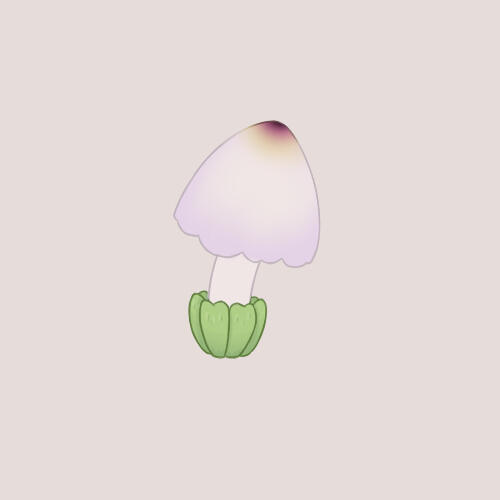
Arable: Yes
Edible: Yes
Papillume
Delicate, butterfly-shaped flowers that grow on bushes, each blossom balanced on thin, flexible stems. When disturbed, their petals detach and lift into the air, fluttering briefly before settling back down, creating the illusion of a swarm of butterflies taking flight. Papillume regenerate quickly and come in many colours, making them popular for ornamental gardens and festivals.
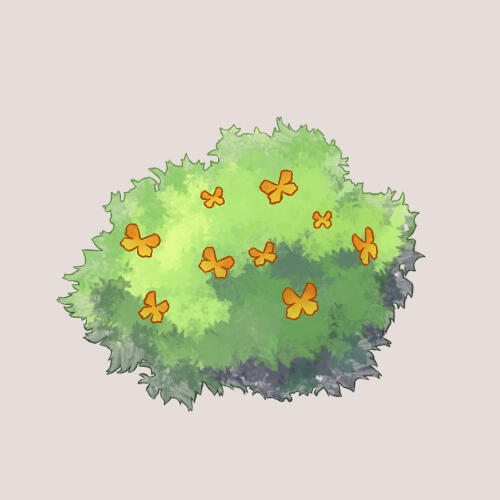
Arable: Yes
Edible: No
Dreampuff
Soft, cloud-shaped flowers with rounded, fluffy petals that feel light and airy to the touch. Slightly sweet in taste, reminiscent of diluted cotton candy, they dissolve quickly when eaten. Dreampuffs grow low to the ground in clustered patches and come in pale pastel shades. When consumed in larger amounts, they cause dreamlike hallucinations or altered perception, and should therefore be used sparingly in desserts and teas.
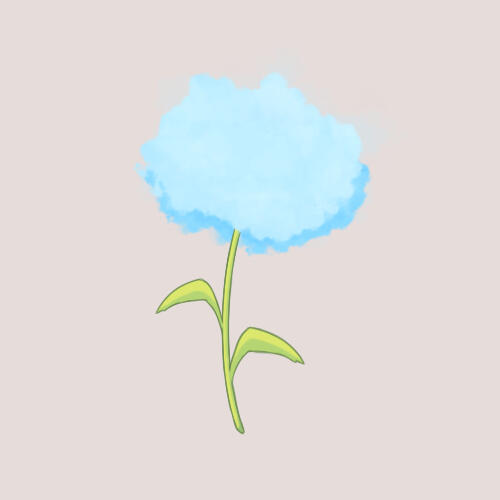
Arable: No
Edible: Yes
Screechcap
Tiny mushrooms with leg-like protrusions and two dark spots on their stems that resemble eyes. When uprooted, they vibrate violently for several seconds, emitting a high-pitched squeal caused by rapid internal oscillation. Though unsettling, Screechcaps are edible once properly prepared and must be immediately submerged in boiling water to neutralize the reactive compounds responsible for the vibration. They are prized for their crunchy texture and mild, earthy flavour.
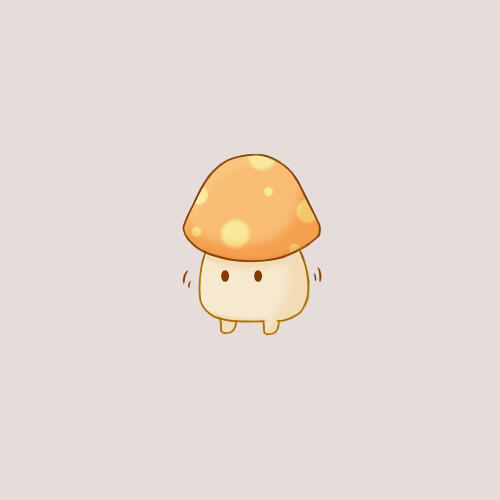
Arable: Yes
Edible: Yes

Tameable: ???
Edible: ???
Blue Bird
Several researchers have reported sightings of a big blue bird on the island. Not a lot of information could be gathered on it yet.
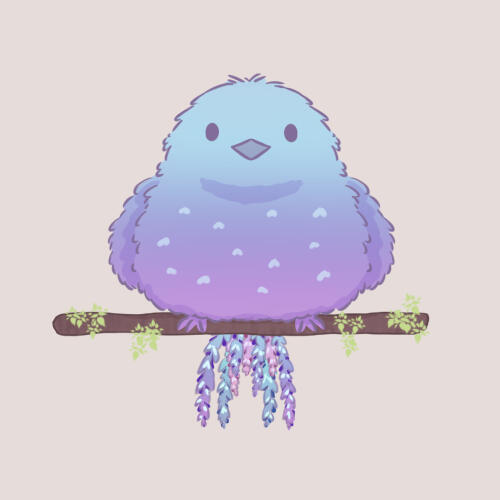
Tameable: No
Edible: No
Bloomquill
Big, stout birds that are about the size of a medium-sized dog. Their tail feathers are made out of a type of lilac and have a very strong floral smell to them. Despite their cute and harmless appearance, these birds can be quite aggressive when they feel threatened. They have little teeth inside their beaks and will both bite and peck when attacking someone or something. Bloomquills can be found alone.
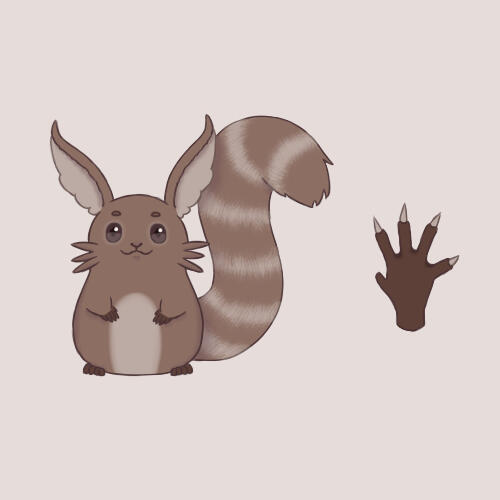
Tameable: Yes
Edible: Yes
Glitterpaw
Small rodent-like creatures that are about the size of a squirrel. They are often found near Fatesight Flowers as they seem to be fond of their glittery pollen. They use their bushy tails to store food and trinkets they like. Glitterpaws are adept at climbing and very nimble. They're curious about people and will approach when coaxed with food or shiny trinkets. Glitterpaws can be found in groups.
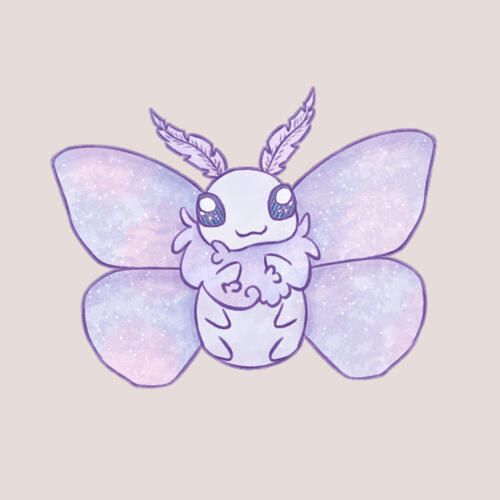
Tameable: Yes
Edible: No
Fuzzbuzz
Big moth-like creatures that are about the size of a rabbit. Their whole bodies, minus their wings, are covered in a layer of soft fuzz. Their collars are covered in a thick layer of wool which can be harvested and used to make clothing. They make a buzzing sound when they fly that almost sounds like purring. Fuzzbuzz are nocturnal creatures and can be found both alone and in groups.
Tameable: No
Edible: No
Quartzle
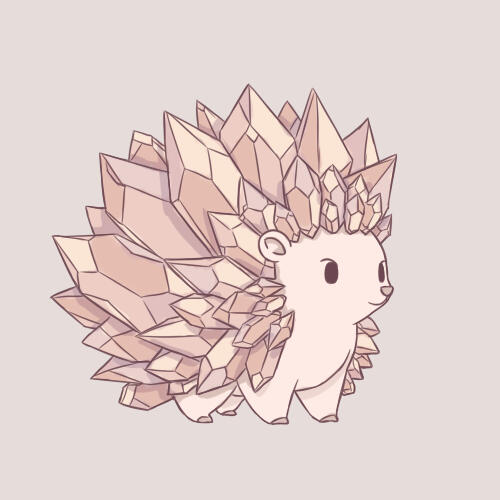
Hedgehog-like creatures that are about the size of a cat. Instead of quills, their bodies are covered in crystals which come in shades of light purple, red, brown, blue, yellow and black. It seems that the crystals on their back can change colour depending on their diet. Aside from bugs, they also eat ores and gems. They like to hike up hills and then roll down. Quartzles can be found both alone and in small groups.
Tameable: No
Edible: Yes
Pollenwhisk
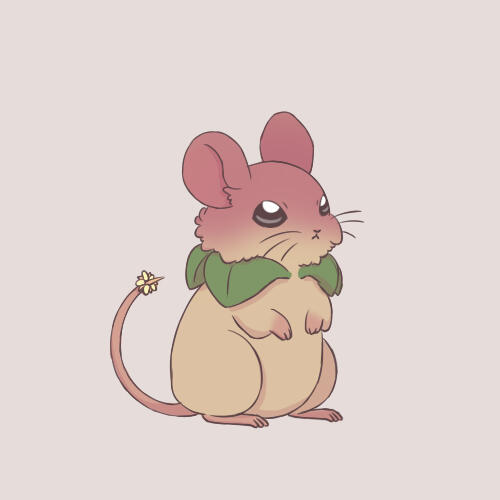
Small, mouse-like creatures with collars of leaves around their necks and tiny flowers blooming at the tips of their tails. Pollenwhisks have a habit of rubbing their heads into flowers, dusting themselves in pollen that tints their fur in vibrant hues over time. They often rub against surfaces or one another, leaving behind faint floral scents as a way of marking their territory. Pollenwhisks can be found both alone and in small groups, though they prefer companionship.
Tameable: Yes
Edible: Yes
Feathercrests
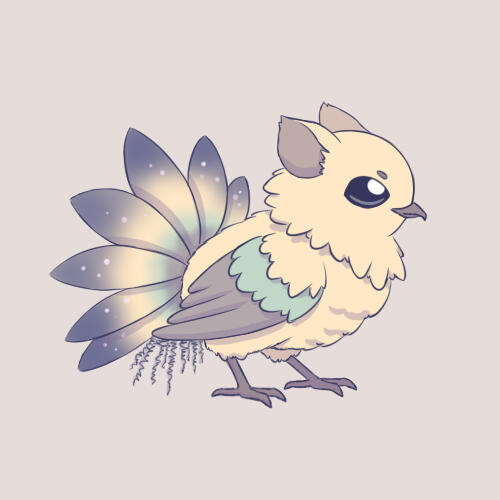
Bird-like creatures with fans of colourful, patterned tail feathers. Haughty and self-assured, they often strut about as if they own the land beneath their feet, showing little fear of larger creatures. Their eggs are strikingly coloured in rich hues of blue, blending seamlessly with their nests hidden among rocky outcrops or dense foliage. Feathercrests can be found alone or in loose pairs but rarely gather in large groups.
Tameable: Yes
Edible: Yes
Tumbletail
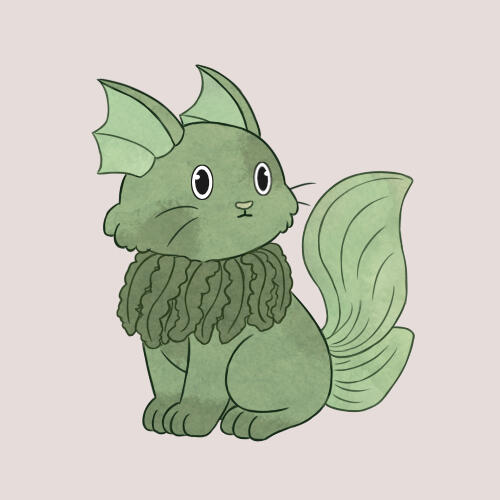
Squat, amphibious cat-like creatures with proportionally large limbs that come in different shades of green and blue. Though capable of land travel, Tumbletails are clumsy and prone to toppling over, often giving up mid-waddle to take a nap instead. Dim-witted but deeply affectionate, they frequently nibble on the ruff of edible seaweed that grows around their necks. They lay jelly-coated eggs in pools of water, often forgetting where they left them. Tumbletails can be found both alone and in small groups.
Tameable: No
Edible: Yes
Flutterhare
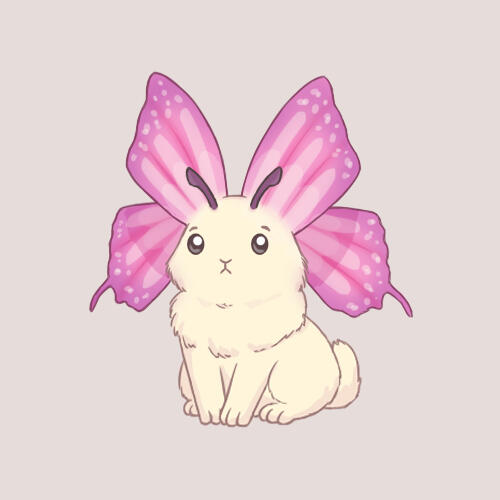
cat-sized creatures with delicate, butterfly-like wings where ears would normally be, paired with small antennae. Lacking functional hearing, they perceive the world through vibrations picked up by their sensitive wings, which are often kept folded when resting. Flutterhares are gentle and easily startled, freezing when overwhelmed by overlapping sensations, yet remain adept at sensing approaching danger through ground resonance. Flutterhares can be found alone.
Tameable: Yes
Edible: Yes
Shearfin
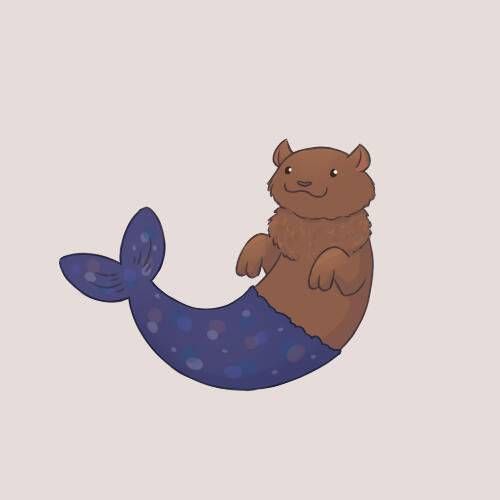
Otter-like creatures with sleek upper bodies and powerful fish tails in place of hind legs. Their two-fingered forepaws feature sharp, bone-like shears used to clip seaweed, which makes up most of their diet. Especially fond of the edible seaweed found on Tumbletails, they are known to steal it when possible. Though fully aquatic, Shearfins can haul themselves onto land for short periods, moving with awkward, seal-like wriggles. Shearfins can be found both alone and in groups.
Tameable: Yes
Edible: Yes
Florp
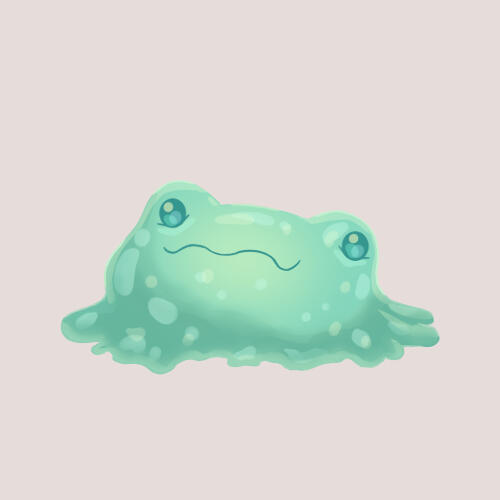
Small, slime-bodied creatures with a jelly-like consistency and frog-like eyes that slowly shift across their bodies. Cool and slightly sticky to the touch, they move by wobbling, hopping, or oozing like snails, often leaving faint glossy trails behind. Harmless and dim-witted, Florps react to danger by vibrating rapidly until they lose cohesion and slump into trembling heaps. Florps can be found alone.
Tameable: Yes
Edible: No
Caterlynx
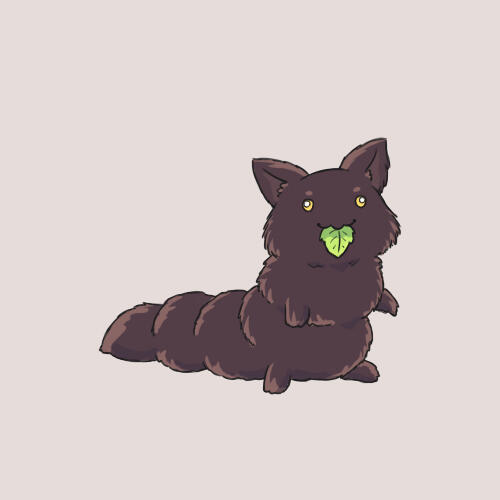
Large, fur-covered caterpillar-like creatures roughly the size of a dog, sporting rounded cat-like ears and only four limbs. Caterlynx typically move about by crawling, but will rear up onto their hind legs to reach leaves or browse higher vegetation. Their dense fur sheds seasonally, and despite their size, they are gentle herbivores prone to distraction and slight swaying when standing upright. Caterlynx can be found alone.
★ Map of Starhaven ★
Starhaven is still a place of discovery. The maps that exist today only cover part of the island, and while some key areas are known and regularly travelled, much of the land beyond them remains unexplored or only loosely documented. The following section details the locations currently charted and recognised as part of everyday life on Starhaven. As the settlement grows and people venture further, new parts of the island will continue to be uncovered, and familiar places may change as understanding deepens over time.
Locations - Inside Town
Town Hall
With more residents and projects underway, Town Hall now includes a larger main hall for public forums, additional offices, and a community board. The surrounding square hosts regular town meetings, open markets, and seasonal festivities.
Healing Leaf Pharmacy
The Healing Leaf Pharmacy continues to provide Starhaven’s residents with a wide range of medical supplies and remedies. Recently expanded, it now includes a small consultation space and improved storage for prepared treatments. Apothecaries here focus on mixing and refining medicines, while sourcing ingredients from local herbalists and traders. Efficient and well-organised, the pharmacy has become the go-to place for treating everyday ailments and stocking up on essentials.
Ironworks Forge
The forge has expanded with a new back wing dedicated to smelting raw ore sourced from the quarry’s recently opened mine shaft. Now boasting reinforced furnaces and larger workspaces, it can accommodate bulk material processing and larger-scale public commissions. Whether it's crafting tools, repairing gear, or refining metal for architectural projects, the Ironworks Forge remains one of the most essential facilities in Starhaven’s continued growth and infrastructure efforts.
Craftwood Carpentry
Now operating out of a much larger multi-room facility, Craftwood Carpentry is capable of handling delicate scrollwork, household furnishings, and large construction components with ease. It plays an integral role in both private and public development projects. The air always carries the scent of sawdust and varnish, and locals often visit for handcrafted furniture, tools, and seasonal decor.
Rise and Shine Bakery
The scent of warm bread and sweet pastries drifts from the windows of Rise and Shine. The bakery’s shelves are always stocked with fresh loaves, rustic pies, and buttery treats made with seasonal ingredients. Simple, comforting, and always delicious, it’s the type of place that quickly becomes part of your routine, whether you’re stopping by for a morning roll or picking up something sweet on the way home.
Seasons Table
More than just a restaurant, Seasons Table has become one of the most vibrant gathering places in Starhaven. The menu changes with the seasons, highlighting local produce, fresh catches, and inventive culinary experiments. With a larger seating area and an outdoor dining space, the restaurant now hosts community dinners, food-themed festivals, and cooking classes. It remains one of the most cherished places to unwind after a long day.
The Crystal Lantern
The Crystal Lantern is Starhaven’s go-to spot for a warm bed and lively evenings. With its cosy wooden interiors and soft lantern light, it offers a welcoming space for both residents and visitors. Expanded to welcome the island’s growing population, the inn now boasts more rooms, a better-stocked bar, and a redesigned performance stage.
Starhaven Sundries
Starhaven Sundries is the go-to spot for everyday essentials. From lantern oil to simple lunchboxes, the shop carries a rotating selection of tools, household goods, snacks, and seasonal items. A chalkboard out front lists weekly specials and community notices. It’s the kind of place you stop by for one thing and leave with five.
Butchery
Now better equipped and streamlined, the butchery supplies quality cuts of meat to the island's households and eateries alike. Storage facilities and preparation counters have been upgraded to handle greater volume. Speciality meats, imported spices, and house-seasoned blends are occasionally sold in small batches, making it a surprise favourite for home chefs and foodies.
The Gilded Thimble & Sole
What began as a small tailoring studio has grown into a full-fledged boutique and workshop. Now known as The Gilded Thimble & Sole, the shop offers an impressive variety of fabrics, embroidery services, and seasonal fashion lines alongside a newly added shoemaking corner. Custom garments, ceremonial robes, durable footwear, and practical wear are all crafted with care and a personal touch. From hand-stitched boots to beaded slippers, the shoemaker’s bench is rarely empty.
Starhaven Research Facility
Already the largest building in Starhaven, the Research Facility has seen further upgrades. New wings have been added to accommodate cross-disciplinary studies in flora, fauna, and arcana. The building now houses a lecture hall, shared workspaces, and a secure vault for sensitive samples. As one of the island’s proudest institutions, it has begun to draw in researchers from other regions.
The Arcane Emporium
A visit to the Arcane Emporium is like stepping into another world. The shop is adorned with extravagant furnishings, shimmering fabrics, and intricate chandeliers that cast a magical glow over the entire space. Every inch of the emporium exudes opulence. Some might call the decor over the top, but Caladryn, the shop owner, clearly has an eye for luxury and dramatic flair.
Church of Harmony
The once-humble chapel has grown into one of Starhaven’s most beloved landmarks. Renovations have added a bell tower, improved acoustics, and a peaceful garden just outside its walls. Since her arrival, Neria has become a guiding presence, dedicating much of her time to the chapel’s upkeep and spiritual work. Under her care, the site has flourished, and so has devotion to the Goddess of Light. At the centre of the church's garden stands a statue: a woman with undefined features. Rumours say prayers made at the statue bring blessings, drawing hopeful visitors from beyond the island. While still welcoming all faiths, the chapel has quietly become a place of miracles said to be granted by Lumina.
Library
The Starhaven Library now spans multiple rooms filled with bookshelves, study nooks, and archival collections. It includes both contemporary literature and rare tomes, offering a blend of leisure and academic reading. Quiet, welcoming, and filled with the soft rustle of turning pages, it has become a peaceful retreat for scholars and daydreamers alike.
The Seasonal Times
Starhaven’s local newspaper, The Seasonal Times, operates out of a cosy office. Its bulletin board is always pinned with notes, schedules, and half-scribbled headlines. Inside, desks are stacked with parchment and ink, and the scent of fresh tea mingles with the rustle of turning pages. Each seasonal edition includes news updates, community highlights, editorials, and the occasional odd story from around the island.
Pigeon Post Office
Expanded to accommodate the town’s growing communication needs, the Pigeon Post Office now handles local and overseas mail, small packages, and seasonal courier services. The building still features its namesake pigeon, who remains nested comfortably on the roof. During festivals, the post office offers decorative mail and themed deliveries.
Locations - Outside Town
Sunrise Farm
Fully flourishing and expanded, Sunrise Farm has become the agricultural heart of Starhaven. It now features a greenhouse for year-round crops, irrigation systems, and a modest produce stand for selling directly to locals. The once modest fields now stretch into tidy rows, buzzing with activity from dawn to dusk.
Sunset Ranch
Now home to a wider range of animals, the ranch has added a small dairy processing barn and upgraded fencing and shelter for livestock. A veterinarian station ensures animal health and welfare, making the ranch a cornerstone for both food production and care.
Sundown Stables
Expanded with new stables and a small training arena, Sundown Stables now accommodates more riding animals and hosts riding lessons and events. The scenic trails remain a popular pastime for residents and visitors alike.
Golden Beach
Stretching along the northeastern shore, Golden Beach is famous for its shimmering sands that seem to glow in the sun, giving the shoreline its name. It’s a favorite spot for both locals and visitors, offering gentle tides, quiet walks, and seasonal festivals. With the recent improvements to nearby infrastructure, small cabanas and shaded resting spots have been added for picnics or seaside lounging.
Bluewater Docks
Expanded to include additional docking space, Bluewater Docks now boast improved storage areas and a fish market pavilion. A local repair shop for small boats and fishing equipment has also opened nearby.
Starfall Field
Once the epicentre of magical phenomena, Starfall Field is best known for the massive crystal that grew at the site of the meteor crash. Over time, clusters of similar crystals formed throughout the crater, creating a glittering landscape. Since the explosion of the main crystal and its subsequent use in research, active study at the site has lessened. While lingering magical energy still hums faintly in the air, the area is no longer considered dangerous. The most volatile zones have been made inaccessible through protective barriers.
Bedrock Quarry and Mines
Following the discovery of a new vein of ore, the Bedrock Quarry has added a working mine to its operations. With new tunnels and reinforced supports, it now provides building stone, gemstones, and metals. The expansion has led to increased mining activity and a more efficient supply chain, making it one of Starhaven’s key industrial zones.
Sunpetal Glade
This wide, sun-dappled clearing is nestled deep within the woods. Wildflowers bloom in abundance, and a crystal-clear stream cuts through the glade, its banks dotted with smooth stones perfect for resting on. It's a popular picnic spot and the perfect place for nature walks. In the spring, butterflies fill the air in dazzling colours, giving the glade its nickname: "The Meadow of Wings."
Fogbloom Lake
A calm, freshwater lake nestled between gently sloping hills and quiet woodland. The water is cool, clear, and perfect for swimming, fishing, or simply resting by the shore. Wildflowers bloom along the edges, and birds nest in the nearby reeds. On still mornings, mist drifts lazily across the surface, creating a quiet atmosphere. Whether you're there to relax, reflect, or enjoy the gentle sounds of nature, Fogbloom Lake is a peaceful retreat from the bustle of everyday life.
Mossveil Grove
Tucked beneath the gentle canopy of flowering trees and lush moss, Mossveil Grove is one of the most tranquil places on the island. Mushrooms of all sizes and colours grow here in clusters, and bioluminescent caps glow faintly at dusk, lighting the grove with a soft, otherworldly shimmer. Despite its dreamlike atmosphere, the area is perfectly safe and often visited by artists, herbalists, and anyone in need of a quiet moment to breathe.
Outpost
Tucked beyond the treeline outside of town, the Outpost is a sturdy wooden structure built on a natural rise overlooking the surrounding forest. It serves as the base of operations for both the scouts and watchers. The building's weathered walls are lined with old maps, hand-carved markers, and notes from countless ventures into the wild. Equipment hangs neatly from pegs, and a faint trail of bootprints leads in every direction. Despite its rough appearance, the space feels lived-in and well-organised.
Whispering Path
A winding trail that leads toward the deeper woods of the Verdant Verge, the Whispering Path is known for the way the wind slips through the trees, creating faint murmurs that seem to follow travellers as they walk. It’s a popular spot for gathering rare herbs and vibrant plants, but few linger for too long. There’s something about the way the shadows fall here, the feeling of being watched, that makes even seasoned foragers uneasy.
Verdant Verge
A mysterious and densely overgrown stretch of forest, Verdant Verge is known for its unnatural vibrancy. Plants grow at alarming rates, often overtaking paths overnight, and the air is heavy with pollen and unfamiliar scents. Even seasoned scouts find it difficult to navigate, as traditional tracking methods often fail here. While beautiful, the area is considered dangerous, not only because of the terrain but also due to sightings of unusually initelligent animals and a huge large wolf bearing strange, rune-like markings. Those who have glimpsed it describe a presence that feels ancient and unsettling, and travellers are strongly advised not to wander too deep into the deeper woods alone.
Silent Ruins
Hidden deep within the forest, these crumbling stone structures remain the earliest known sign of civilisation on the island, believed to predate the Great Darkness. Moss-covered walls and collapsed archways are etched with unfamiliar symbols that do not resemble any known written language. The clearing around the ruins is unnaturally quiet, and even on warm days, the air here feels noticeably colder. Recent excavation and clearing efforts have exposed sections of the ruins that were previously buried. Since then, researchers have reported unusual readings and increased activity in the surrounding area. While studies are ongoing, many people continue to avoid the site altogether, unsettled by the silence and the sense that something beneath the stone has been disturbed.
Mirrorpool
Located beside the Silent Ruins, the Mirrorpool is a perfectly round basin of water known for its unnaturally still surface. No matter the weather, its glass-like reflection remains undisturbed. The pool has long been treated with caution, especially after an animal was found dead shortly after drinking from it, with no clear cause identified. In recent months, researchers have noted a shift in the pool’s behaviour, with signs suggesting that its influence has grown stronger or more responsive than before. Contact with the water has been linked to unpredictable physical reactions, ranging from brief illness to severe bodily strain. Its nature appears closely tied to the nearby ruins, though the exact connection remains unknown. Entering the pool or interacting directly with the water is strongly advised against.
Sundrop Springs
Tucked between rocky hills and flowering shrubs, Sundrop Springs offers a tranquil escape for body and mind. With naturally heated mineral pools, private bathing rooms, and a serene atmosphere, it has quickly become a popular spot for rest and rejuvenation. Some say the waters hold magical properties, but such claims remain unconfirmed. A plaque by the entrance honours the residents who helped make the bathhouse a reality: With gratitude to Yenu and Iores, whose contributions brought this place to life.
Mermaid's Reach
Beyond the golden sands, past the cliffs at the edge of Golden Beach, lies a hidden stretch of coast known as Mermaid's Reach. The shoreline shimmers with colourful sea glass and smooth stones, glinting in the sun like scattered jewels. When the tide is low, cave mouths emerge from the rocky cliffs. Some of the sea caves are narrow and twisting, others vast with worn stone walls. Treasures can sometimes be found within the caves, likely carried in by the currents from old shipwrecks. However, exploring them isn’t without risk. The deeper you go, the more dangerous the paths become.
Mount Argent
Long obscured by dense forests and ever-present mist, Mount Argent has only recently come into clearer view. Named for the way its rocky peaks shimmer silver at dawn, it towers over the landscape like a sleeping giant. The mountain’s slopes are rugged and largely untouched, with only a few daring explorers venturing upward. Steam sometimes rises from higher ridges, suggesting geothermal activity beneath the surface. It remains largely unexplored for now.
Starpath Observatory
The Starpath Observatory sits on one of Starhaven’s higher ridges, built from sturdy stone and reinforced wood, with a wide dome and several viewing platforms facing the sky. Scholars and curious residents alike come here to observe constellations, track celestial shifts, and study the Sea of Stars. The observatory is always open. With lenses, charts and equipment in frequent use, it serves as a research site for those interested in studying the stars above Starhaven.
Phantom Caverns
The Phantom Caverns lie hidden beneath the northern cliffs and are a network of winding tunnels and echoing chambers. The air inside is cold, and sounds often travel strangely through the tunnels, creating echoes that can resemble footsteps or distant voices. Because of this, many people feel uneasy spending too long underground. Crystals embedded in the rock sometimes catch and scatter light, making shadows shift along the walls. Most people visit only briefly out of curiosity and few feel comfortable venturing too far from the entrance.
Coralshine Reef
Just beyond the northwestern shoreline lies the Coralshine Reef, a stretch of shallow, clear waters where colourful corals, unusual shells and curious sea life thrive beneath the gentle waves. When the tide is low and the weather calm, shimmering reflections ripple across the surface and the water seems almost impossibly bright, tinged with hues of blue, pink and gold. While beautiful, the waters can be unpredictable, and people are encouraged to explore carefully.
Eternal Starfield
A much smaller island to the north of Starhaven, easily reached by boat. Though still shrouded in perpetual darkness, its beauty continues to mesmerise. The Fatesight Flowers remain in bloom, their golden pollen floating into the air like glimmering stars. A small research outpost has been added to study the strange flora and the island’s lingering darkness, with a permanent ferry stop now operating for visitors.
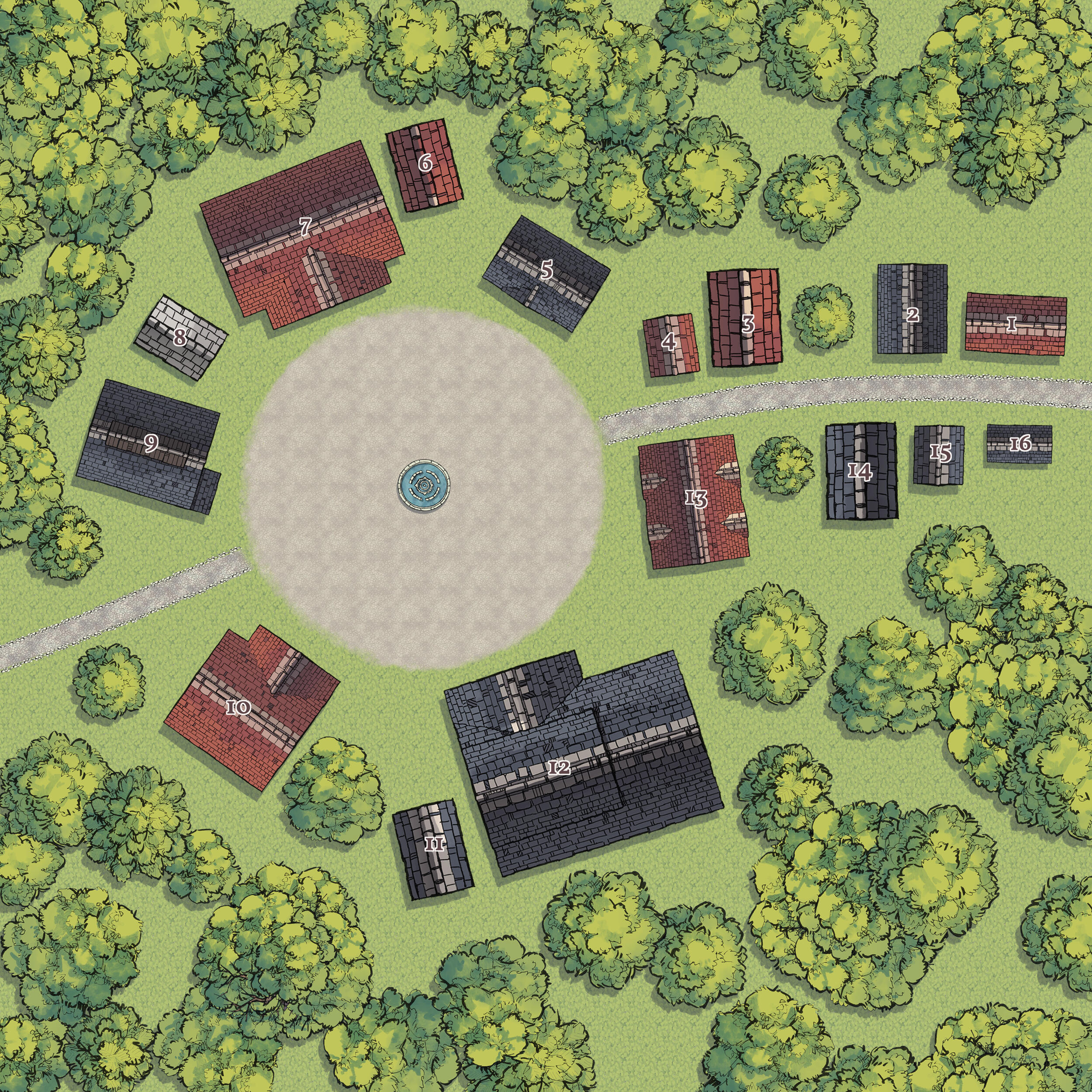
Public Buildings
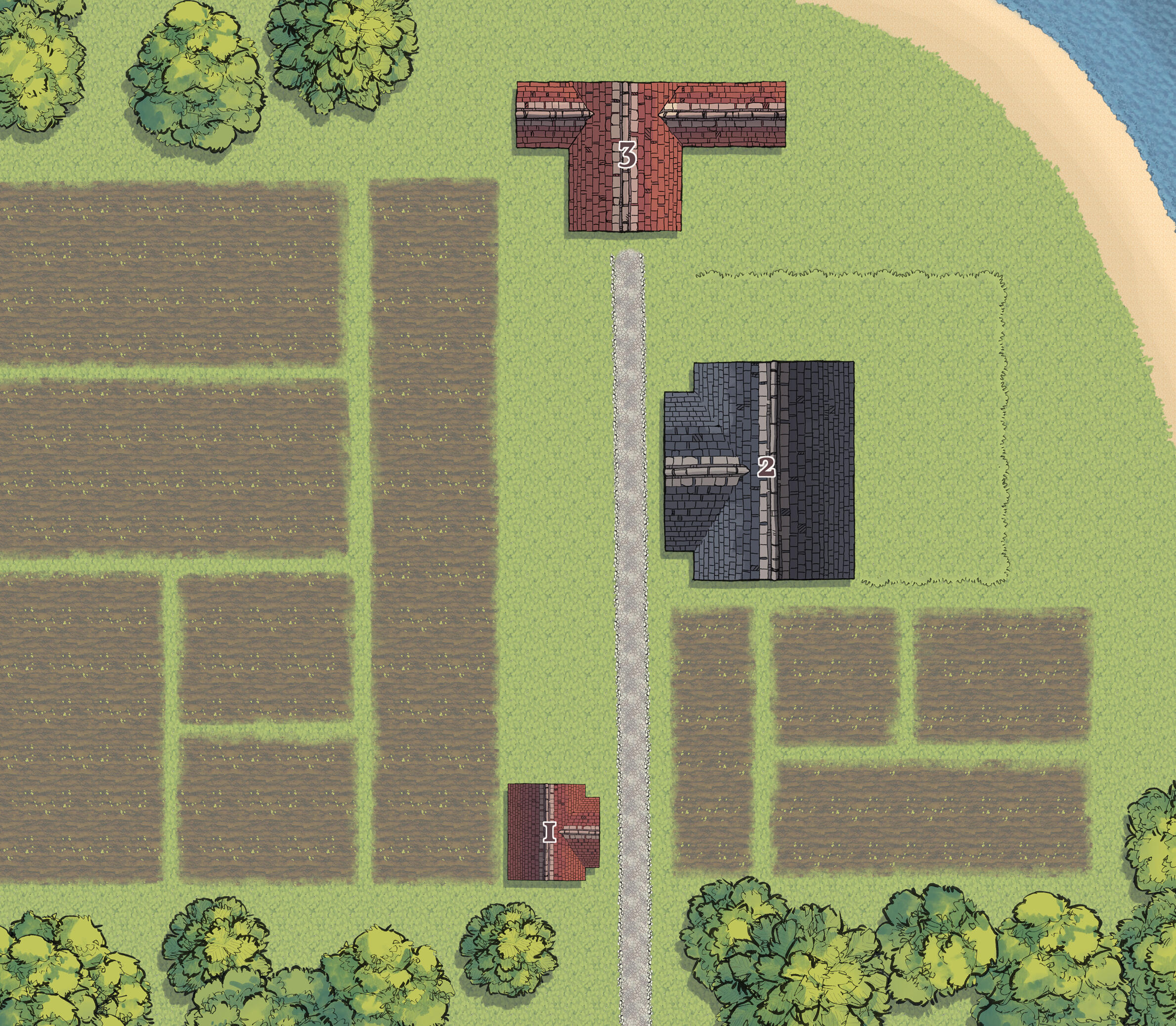
Farming Buildings
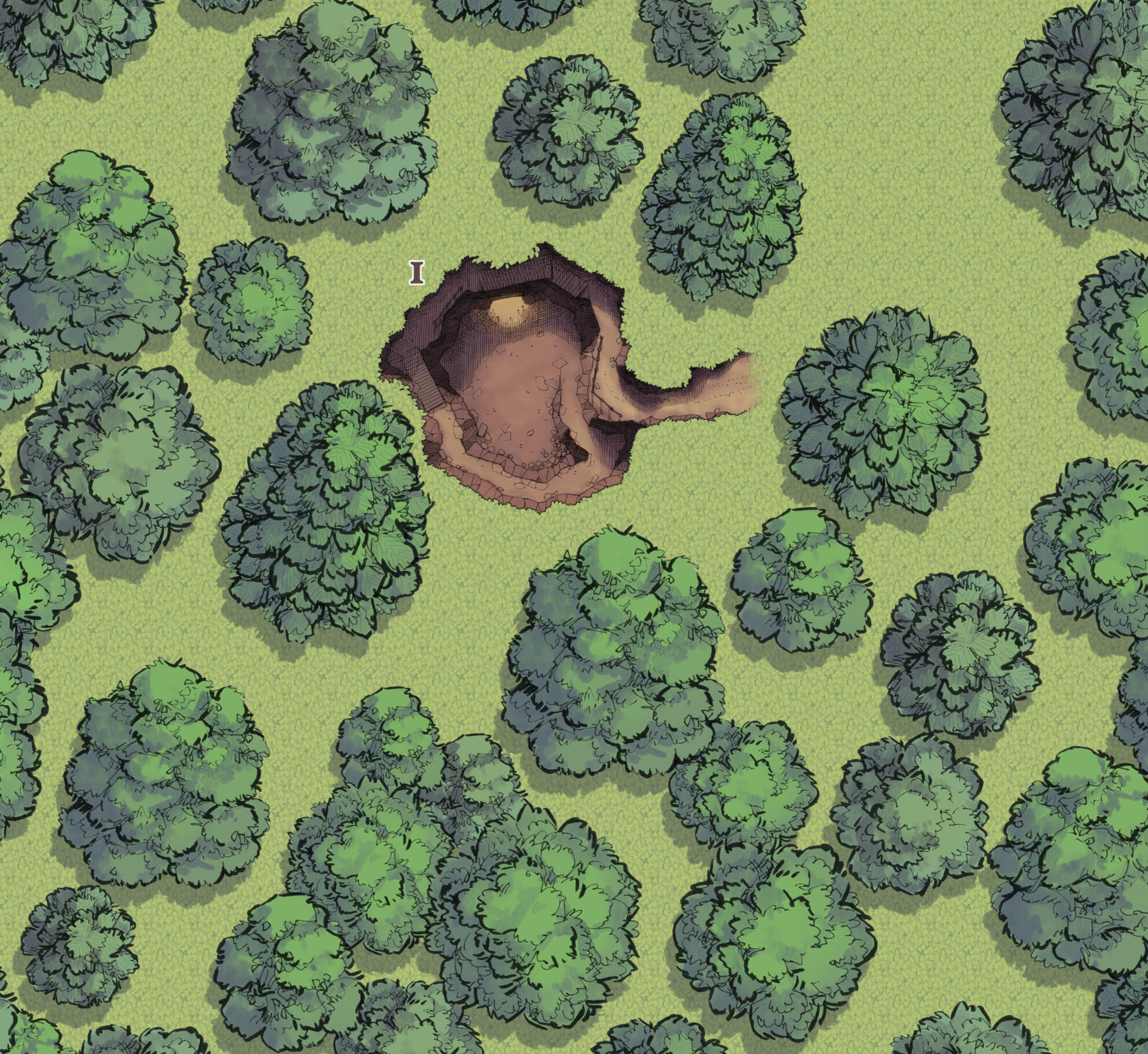
Industrial Locations
★ Residents ★
Starhaven is shaped by the people living in it. Here you can see who calls the island home and where they live. The statistics update automatically.
Witches
Dragonkin
Resident Statistics
Jobs
Loading...
Lineages
Loading...
Genders
Loading...
Magic
Loading...
Regions
Loading...
Small House
⇒a small house fits 1 person⇒up to 2 small pets or 1 medium pet
Medium House
⇒a medium house fits 2 people⇒1-4 small pets and/or up to 2 medium pets
Large House
⇒a medium house fits up to 5 people⇒up to 10 small pets and/or up to 5 medium pets and/or up to 2 large pets
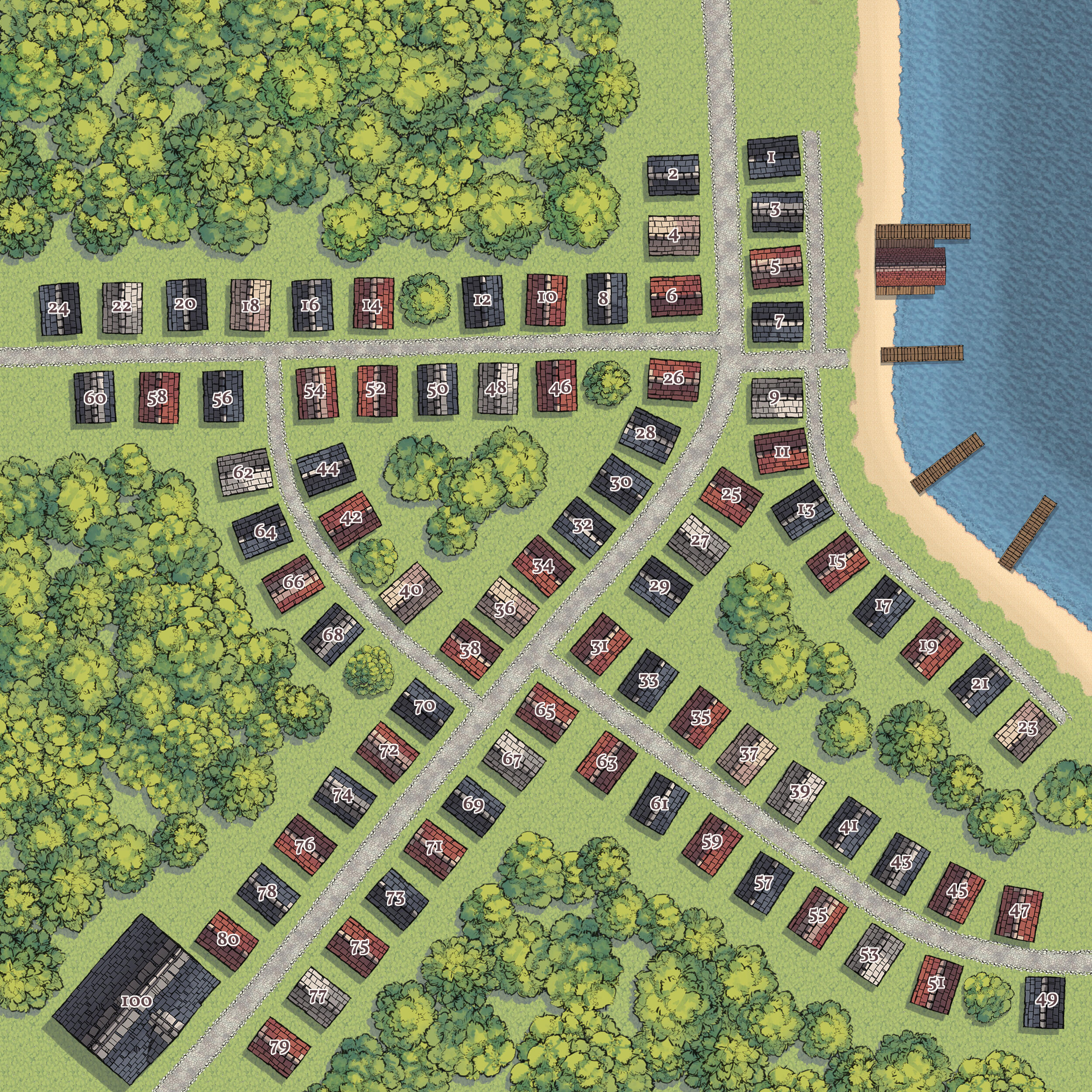
Houses will be randomly allocated once your first character joins the group.
Every member starts out with a small house.
Houses
Location 100 — The Crystal Lantern

★ Shop ★
GP can be used to purchase items from the Town Shop. Some items will only become available to obtain once you reach a certain Rank Level. The shop will expand as the town develops, with new items gradually being added alongside future updates.
| {title} | {title} | {title} | {title} | {title} |
|---|---|---|---|---|
| Loading... | ||||
★ Events ★
Events are a regular part of the group and help move the story of Starhaven and Mythria forward. Each season (Spring, Summer, Autumn, Winter) will feature one Seasonal Event, which usually runs for the duration of the season to give everyone plenty of time to partake. Some Seasonal Events may be divided into two stages, with new prompts or content being added later in the current season. Depending on the event, new lore may be introduced, locations may unlock or change, and parts of the world may develop further. Members can sometimes influence the direction of the story through their participation or community voting. Some prompts will also feature mini-games, which are played using the server bots. Furthermore, events may include time skips if the narrative calls for it. These will always be announced in advance and are expected to span only a few years at most.While the story continues to move forward, the past remains open to explore. Older events can be completed at any time and still earn EXP and additional rewards, except for rewards of Exclusive Prompts. Each event will come with different prompt types that offer various ways to partake. These are explained in the sections below.
Story Prompts
Story prompts focus on Mythria as a whole and actively contribute to the overarching narrative of the setting. These prompts can reveal new lore, push the main plot forward, respond to major events, or allow characters to experience defining moments in the group’s ongoing story.
Town Prompts
Town prompts revolve specifically around Starhaven and daily life within it. They do not directly advance the setting’s larger narrative, but they help shape what Starhaven becomes over time. These prompts may cover community activities, town expansion, infrastructure improvements, celebrations, seasonal holidays, and social events.
Member Prompts
Member prompts are created and hosted by group members themselves. They are usually light-hearted, personal, or themed around fun ideas, special occasions, or character-driven experiences. Whether it’s celebrating your pet’s birthday, hosting a festival, organising a garden showcase, or inviting others to join in something meaningful to your character, member prompts give players the chance to bring their own ideas to life and involve the community in them.
Exclusive Prompts
Exclusive prompts are directly tied to a current seasonal event. These prompts often come with special rewards or opportunities that can only be earnt while the event is active. Once the event ends, the additional rewards associated with these prompts can no longer be obtained, though regular GP and EXP can still be earnt if the prompt is completed afterwards.
Combat Prompts
Combat prompts make use of the stats chosen during character creation. Battles are handled using simple bot commands within the server, so the system remains accessible even if you’ve never used dice mechanics before. Everything is guided step-by-step, keeping combat easy to follow while still leaving plenty of room for storytelling.
★ Rank Levels ★
As you earn EXP, your Rank Level will rise. Higher Rank Levels unlock access to additional shop items and special rewards. Every time you reach a new Rank Level, you’ll gain a Rank Reward. These can be claimed in the #registration channel on Discord. As Starhaven continues to grow, new Rank Levels and rewards will be added over time.
| Rank Level | EXP | Rank Reward |
|---|---|---|
| 1 | 0 | Small House |
| 2 | 500 | Small (Magical) Pet |
| 3 | 1.000 | Visitor Pass |
| 4 | 2.000 | Resident Pass |
| 5 | 3.000 | Market Stall Permit |
| 6 | 4.000 | Prism Shard |
| 7 | 5.500 | Medium House |
| 8 | 7.000 | TBA |
| 9 | 8.500 | TBA |
| 10 | 10.000 | TBA |
★ Special Bonds ★
There are special bonds available for players who want to explore deeper character development. They are entirely optional and not required to enjoy the group, but they offer additional storytelling opportunities for those who want to engage with them.
★ Bond Levels ★
Bond levels represent a unique aspect of character relationships, adding an additional layer to their dynamic. They don’t necessarily reflect how close characters are - two characters can be best friends or in a relationship without having a high bond level. Bond levels C through A can be earnt with as many characters as you'd like, while Bond Level S is something special - it can only be earnt once, with someone your character holds especially close to their heart. Bond levels are tied to characters, not members. Bond Level rewards do not stack.
| Bond Level | Requirement | Bonus Reward |
|---|---|---|
| Unranked | - | - |
| Bond Level C | 1 submission | 10% bonus on all GP/EXP earnings |
| Bond Level B | 2 submissions | 25% bonus on all GP/EXP earnings |
| Bond Level A | 3 submissions | 50% bonus on all GP/EXP earnings |
| Bond Level S | 4 submissions | 100% bonus on all GP/EXP earnings |
⇒Submissions must be completed after the previous Bond Level has been obtained. Each required submission must meet at least the following minimum: a cleaned sketch and/or 500 words of writing per participating character, with both bonded OCs actively involved.⇒The bonus reward only applies when both bonded OCs are included, or when featuring your bonded partner’s OC in your work.
Coming Soon
★ Member Registry ★
| Loading... |
|---|
| Loading... |
| Loading... |
|---|
| Loading... |
| Loading... |
|---|
| Loading... |
| Loading... |
|---|
| Loading... |
| Loading... |
|---|
| Loading... |
| Loading... |
|---|
| Loading... |
★ Activity Checks ★
Activity checks help keep the group healthy and active while still respecting real life. They are held twice a year (roughly every six months). To pass, members simply need to show that they've participated in a Seasonal Event over the past six months. If life gets busy, you can request a hiatus to be exempt from a check, though this can’t be used twice in a row. The goal is to ensure the group stays lively without being overly strict or stressful.
★ GP & EXP ★
GP and EXP can be earnt through art and writing. While GP can be earnt at any time, EXP is only awarded for event-related art or writing. Submissions for both GP and EXP must be logged using the submission form provided below.GP can be used in the town shop to purchase items, while EXP determines your rank. Some shop items are only available once a certain rank is reached. Ranks are tracked per member, not per character.
★ Joining ★
This section contains everything you need to join Starhaven. You’ll find information on character creation and application requirements. Applications can only be submitted during group openings unless someone already in the group invites you using a Letter of Recommendation, which allows joining at any time. Applications must be submitted in the Discord server.
Group Status:
Closed
★ OC Creation ★
Visual App⇒A visual app layout must be submitted, but including character artwork is optional. You may use a headshot, half body, full body, or no artwork at all. Commissioned art is allowed, but credit should be given where it's due.⇒The layout may be customised as long as information remains clear and readable. If you don’t have a visual reference, you can instead use the app as a moodboard or visual concept page for your character.
Written App⇒The written application must include all required information listed in the template. Additional details are optional.⇒Any accessible platform may be used to host your written app, as long as it can be viewed by everyone without restrictions.

★ Stats ★
Stats are being distributed at character creation and will mostly become relevant during prompts. The number of a specific stat is the modifier that will be added to your rolls on a d20. A character with a 3/5 strength stat would therefore roll a 1d20 + 3 to pick up a boulder, and a character with a -1/5 dex stat would roll a 1d20 - 1 to shoot an arrow. Whether a roll counts as a success or a fail depends on the prompt and will be included in its description.
The stat system is supposed to make certain things more fun and interesting, it won't have a direct influence on the story. You can also use the stat system during RPs to see if your character succeeds in a task, but this is not mandatory.
What does each stat mean?
Strength
Crush the tomato.Dexterity
Dodge the tomato.Constitution
Eat a bad tomato without getting sick.
Intelligence
Know that tomato is a fruit.Wisdom
Know not to put tomato in a fruit salad.Charisma
Sell a tomato-based fruit salat.
★ Jobs ★
The following jobs are currently available to apply for in Starhaven. As the town continues to develop and expand, new roles may be added over time.
Farming & Livestock
Farmers maintain farmland and cultivate crops. They plant, tend to and harvest them. With the changing seasons, careful planning is needed as seasonal crops can’t be grown all year around on the island.
Ranchers oversee the care and breeding of livestock such as cattle, sheep and chickens. Aside from taking care of animals, they also manage pastures and feed. Furthermore, they take care of the sale of animal products.
Stablehands are responsible for the maintenance and well-being of horses within the stables. They ensure that all horses are groomed, fed and exercised according to strict schedules. Their daily tasks include cleaning stalls, bedding down horses and preparing them for rides or training sessions.
Medical & Botanical
Apothecaries create medicinal potions and remedies. They have an extensive knowledge about the medical properties of plants and minerals and know how to prepare them in order to create medicine. They can diagnose and treat minor ailments.
Physickers specialise in the treatment of injuries and physical ailments. Unlike apothecaries who focus on crafting remedies, physickers diagnose conditions, dress wounds, set bones, and care for the sick directly. They rely on practical medical knowledge, steady hands, and field experience to treat patients.
Herbalists specialise in collecting, identifying and cultivating medicinal plants, herbs and fungi. They are adept at discerning the healing qualities of plants and use their expertise to come up with new ideas for natural remedies, though they do not produce medicine themselves.
Research & Magic
Fauna researchers study animal life and behaviours. They conduct fieldwork, collect data and - if necessary - contribute to wildlife conservation. Their work often involves monitoring animal populations and studying their interaction with the environment.
Flora researches specialise in studying plant life. Their work includes plant identification and studying plant ecology and growth. They may put their botanical knowledge to use in the field or in research facilities.
Arcane researchers study magic. They focus on analysing the way in which magic influences its environment, how to conduct magic, as well as other magical phenomena. They are tasked with studying the enigma surrounding the meteor crash and the sudden burst of magical energy the island received through it.
Arcane engineers specialise in designing and constructing magical devices and containment tools. Unlike arcane researchers who study the nature of magic, engineers focus on the practical application. They build objects that store, direct, or stabilise magical energy.
Crafts & Trade
Blacksmiths craft and repair metal items. They are skilled in forging techniques and understand how to use different metals. They can use their expertise to create both functional and decorative metalworks.
Carpenters build and repair wooden structures and objects. Thanks to their expertise, they know how to work with various types of wood and are capable of creating everything from furniture to house frames.
Harbourmasters oversee the activity at the docks, ensuring smooth coordination of all boat traffic and shipments. They manage schedules, maintain records, and ensure that vessels are safely loaded and docked.
Tailors craft, alter, and repair garments according to the specific needs and preferences of their clients. With a keen eye for fabric and detail, they transform material into customised outfits.
Shoemakers craft and repair footwear suited for both everyday wear and special occasions. They work with leather, fabric, and other materials to produce durable, comfortable shoes tailored to individual needs. Their expertise ensures a proper fit, good design, and long-lasting quality.
Food & Hospitality
Chefs prepare, cook and present food for the island. They are creative in recipe development and skilled in various cooking techniques. Thanks to their expertise, they know how to prepare different foods safely and know how to work resourcefully with the ingredients they have at hand.
Waiters are key frontline staff in the island's restaurant. Skilled in menu knowledge and customer service, they take orders, serve meals and ensure that customers' needs are promptly met throughout their visit.
Butchers skilfully cut and trim meat from larger, wholesale portions into steaks, chops, roasts and other cuts. A butcher’s expertise ensures that customers receive the freshest and finest meat products suited for various culinary needs.
Fishers are responsible for catching fish and other seafood from rivers, lakes and the sea surrounding the island. They use their knowledge about fish and their behaviours to choose the right fishing techniques and equipment to fish sustainably.
Bakers prepare fresh bread, pastries, and sweets for the community. Working early mornings and long hours, they mix, knead, and bake a variety of goods using seasonal ingredients.
Town & Services
General store workers manage the sale of essential items such as tools, supplies, snacks, and seasonal goods. They restock shelves, track inventory, and assist customers with everyday needs. Their knowledge of products and helpful attitude make them a cornerstone of daily life on the island.
Clerks manage administrative duties within the town hall. They handle public records, assist with licensing and permits. Clerks ensure smooth operations by organising files, scheduling appointments and maintaining up-to-date records of council decisions.
Librarians manage the collection of books, scrolls and other informational media. They assist with research through maintaining and organising library materials and ensuring that knowledge is preserved and easily accessible.
Historians study and preserve the stories, customs, and material culture of Mythria. They collect oral histories, study artifacts, and document traditions to better understand both past and present life. Their work supports education, research, and cultural awareness.
Journalists gather, investigate, and report on events happening around the island. Whether they’re interviewing townsfolk, attending council meetings, or chasing down local rumours, they strive to keep people informed and connected.
Postmen are responsible for the timely delivery of mail and packages across the island. They're also in charge of collecting purchase orders from the shops so that they can be forwarded to the mainland.
Inn & Entertainment
Inn workers are responsible for ensuring guests have a pleasant stay. They handle check-ins, clean and maintain the rooms, and ensure everything in the inn is in good working order, making sure guests feel comfortable and well-cared for during their visit.
Bartenders work at the small bar in the Crystal Lantern. They serve drinks, keep the bar area clean and inviting, and make sure guests have everything they need while enjoying their drinks. Whether it’s a fine cocktail or a casual pint, they’re always ready to serve up a good time.
Performers bring energy and entertainment to the island with their talents. Whether they’re singing, telling stories, juggling, or playing music, they keep the atmosphere lively and exciting by performing on the small stage at the inn. Their shows add charm to the evenings, giving both residents and visitors something to look forward to.
Exploration & Defense
Scouts are skilled in navigation and exploration. They scout unfamiliar territories to gather information on them and report on conditions and potential dangers or threats. Scouts are very adept in survival skills and often also double as guides.
Watchers are trained to monitor and defend the town from natural threats and aggressive wildlife. They patrol risky areas, investigate disturbances, and ensure the safety of the island’s residents.
Miners extract minerals and resources essential to the island's economy. They ably navigate subterranean veins, chipping away at rock faces to reveal valuable ores. Their work ensures a continuous flow of resources, which are crucial for the island's development.
Spiritual & Well-being
Clerics provide spiritual guidance and conduct rituals and ceremonies. They also offer counsel, moral guidance and support to community members, be it in matters of faith or mundane struggles.
Bathhouse workers ensure the smooth operation of the public springs and bathing facilities. They maintain cleanliness, provide fresh towels and herbal oils, and assist guests with scheduling or treatments. Their hospitality helps keep the springs a relaxing, well-kept retreat.
★ Rules ★
This group is strictly 18+. By joining, you confirm that you are at least 18 years old. Do not lie about your age or try to bypass this rule. It helps keep the space respectful, safe and enjoyable for all members. There is no upper age limit – whether you’re 18 or 80, you’re welcome here as long as you respect the rules.
Conflict and misunderstandings are inevitable in groups. Please remember that people rarely intend to upset others. If someone’s behaviour bothers you, give them a chance to adjust and talk to them openly when you can. Clear, kind and timely communication prevents escalation. Passive-aggressive comments only make things worse. If needed, you can always reach out to the mod for support in resolving issues.
No topics are outright forbidden, but sensitive subjects should be approached thoughtfully and respectfully. It’s okay to vent, but please avoid creating a persistently negative atmosphere that drags others down. This is an LGBTQIA+ friendly group. Hate speech, harassment, discrimination, or targeted cruelty of any kind will not be tolerated.
You are not required to interact with everyone, but shadow blocking creates confusion and disrupts the group. It also prevents the mod from moderating properly. If you feel you need to block someone, please inform the mod first. Blocking should be a last resort, not the first step in resolving conflict.
This is an 18+ group. A joke here and there is fine, but please remember that not everyone is comfortable with explicit content at all times. Keep explicit discussion in designated NSFW channels. NSFW artwork or conversation should never be posted outside those areas.
Each channel exists so conversations stay organised and easy to follow. This helps keep the server tidy and makes it easier for everyone to find what they need. Feel free to check the channel topic if you’re unsure where something belongs. Mistakes happen and that’s totally fine, just try not to make a habit of posting things where they don’t fit.
Character conflict is not real-life conflict. If characters disagree, fight, or don’t get along, that does not mean the players feel the same way.
RP is collaborative storytelling. Avoid making your character invincible, always right, or forcing actions on others without consent. Losing, struggling, and compromising are part of roleplay. If a scene may involve heavy themes (violence, trauma, abuse, extreme angst, NSFW), check in with your RP partner(s) first. No one should feel pressured into content they aren’t comfortable with.
Let people enjoy their niches. Don’t shame others for their preferred playstyle (slow RP, slice-of-life, angst, soft content, etc.).
Do not submit AI-generated work as your own, especially not for in-group currency or applications. Tracing other artists’ work is also not allowed. Using bases is fine as long as the creator is properly credited when needed. That being said, AI is growing rapidly and it can be genuinely difficult to tell whether something is AI-generated or not. Honest mistakes happen. If concerns arise, they will be handled respectfully.
Do not DM the mod about group matters. If you have questions, issues, or need support, please use the appropriate places such as #questions, #registration, or a ticket. This keeps communication organised and ensures nothing gets lost.
★ NPCs ★
The residents aren't the only people on the island, NPCs are part of everyday life in Starhaven. From the researchers leading the project to familiar faces seen around town, named NPCs help define the community. Alongside them, unnamed NPCs fill natural roles so the island never feels empty, supporting the island when they’re needed before fading back into the background.
Miriel Willowmist
"Every living creature has a story to tell and it is our duty to listen."
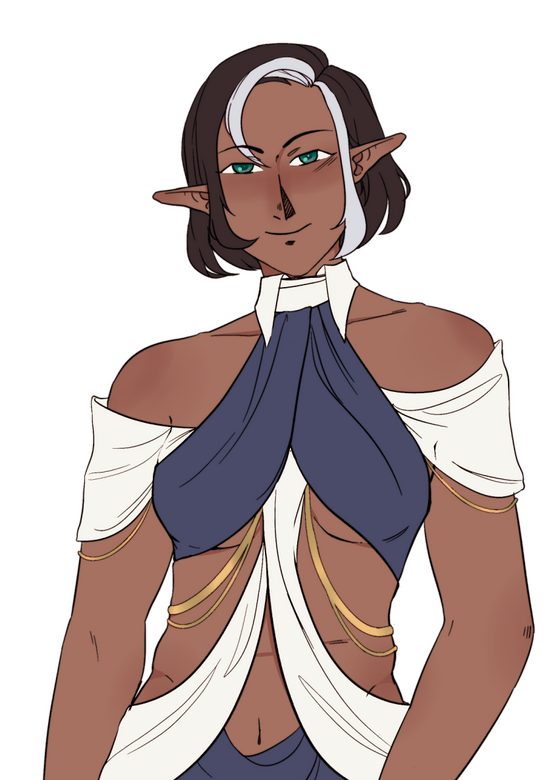
art by Izu
✧Age: 96
✧Birthday: 14/01/1656 AD
✧Height: 5'8'' || 173 cm✧Pronouns: She/Her
✧Gender: Female✧Species: Elf
✧Home Region: Vernalia
✧Magic Affinity: Earth
Miriel Willowmist is a gentle spirit with a profound empathy for those around her. She has dedicated over 30 years to the Vernalian Council, significantly contributing to projects that support arcane research and the preservation of local fauna and flora. Her leadership style is marked by patience, understanding and a steadfast commitment to the well-being of both people and the environment.Miriel aims to implement sustainable development initiatives to ensure Starhaven thrives through the responsible use of its natural resources. She advocates for educational and scientific programs and seeks to enhance communal spaces with public gardens. While her focus on environmental concerns is commendable, it might come at the expense of immediate economic growth. Additionally, her gentle nature may hinder her ability to make tough, unpopular decisions quickly.
Tora of the Elysian Fields, "Your Grace"
"Life is too short not to fill it with laughter and adventures."
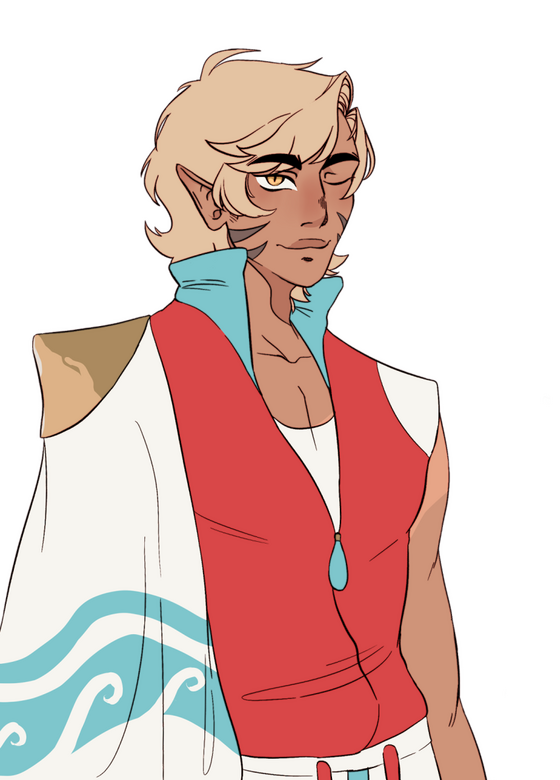
art by Izu
✧Age: 31
✧Birthday: 22/05/1721 AD
✧Height: 6'1'' || 185 cm✧Pronouns: He/Him
✧Gender: Male✧Species: Half-Elf [Tiger Hybrid]
✧Home Region: Solterra
✧Magic Affinity: Wind
Tora of the Elysian Fields is known for his vibrant and eccentric personality, with a love for grand celebrations. Despite governing his own duchy, his political experience is limited and often questioned. Rumours say that he was sent to Starhaven due to being the bastard son of the Solterran King, though these are only speculative. Either way, he certainly acts with the confidence of royalty, valuing bravery, courage, and fun.Tora plans to host numerous events and parties, fostering public spaces as community hubs. However, his lack of political experience and focus on entertainment could lead to mismanagement of serious responsibilities and financial resources.
Kaelyn Maplebark
"True leadership listens before it speaks and acts with thoughtful consideration."
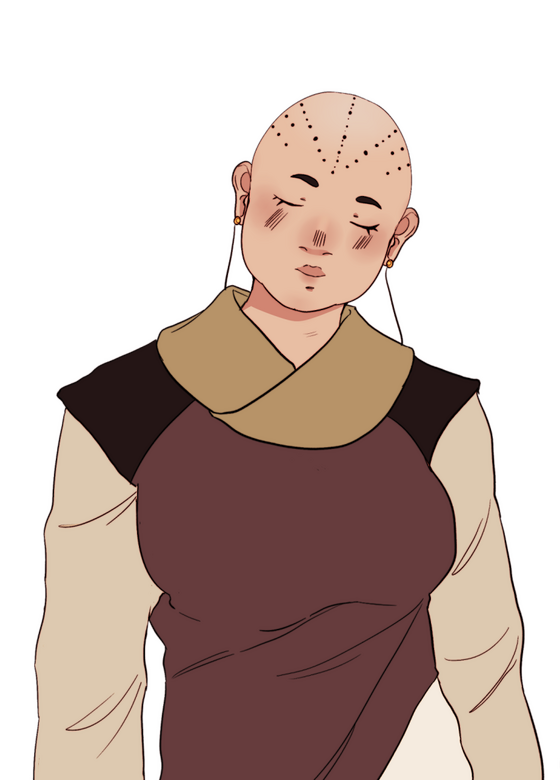
art by Izu
✧Age: 44
✧Birthday: 03/10/1707 AD
✧Height: 5'7'' || 170 cm✧Pronouns: They/Them; She/Her
✧Gender: Non-Binary Femme✧Species: Human
✧Home Region: Gildenfall
✧Magic Affinity: Light
Kaelyn Maplebark is contemplative and wise, often found lost in thought or engrossed in a book. With a decade of experience leading their community, they value balance, justice, and pragmatism. Kaelyn’s leadership style is methodical and well-considered, ensuring decisions are equitable and just by actively listening to their community.Kaelyn emphasizes the importance of libraries, museums and cultural institutions. Their contemplative nature might slow down decision-making processes that don’t involve the community, potentially delaying urgent actions.
Xyraeth of the Frostborn Clan
"In every storm, there is an opportunity to forge a stronger foundation."
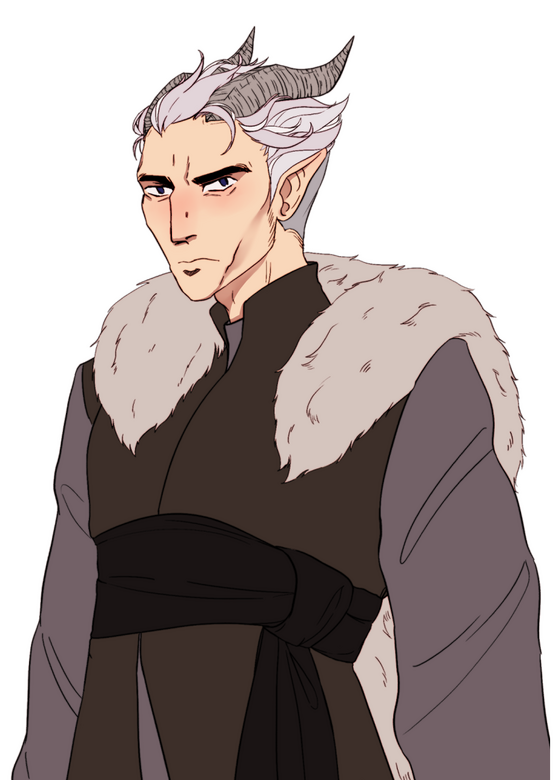
art by Izu
✧Age: 233
✧Birthday: 11/12/1518 AD
✧Height: 6'8" || 203 cm✧Pronouns: He/Him; They/Them
✧Gender: Male✧Species: Dragonkin
✧Home Region: Frigoria
✧Magic Affinity: Fire
Xyraeth of the Frostborn Clan is stern and resilient, with a strong sense of duty and discipline. As the leader of the Frostborn clan and a member of the confederation in Frigoria, he commands great respect. His leadership style focuses on strengthening infrastructure and ensuring public safety and emergency preparedness.Xyraeth plans to enhance Starhaven’s infrastructure and prioritise community security through a fair and efficient justice system. However, his strict and disciplined approach may be seen as overly rigid, potentially stifling creativity and flexibility within the community.
Caladryn Ondaris
"The Arcane Emporium has everything you could want - or nothing you need. Depends on what you’re looking for."
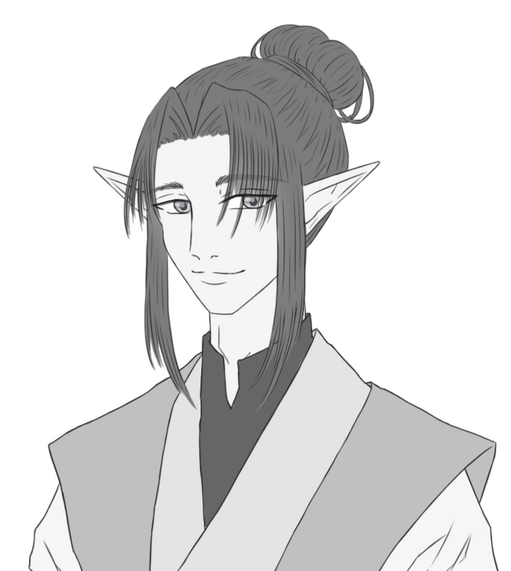
✧Age: ???
✧Birthday: ???
✧Height: 6'3'' || 190 cm✧Pronouns: He/Him; They/Them
✧Gender: Male✧Species: Elf
✧Home Region: ???
✧Magic Affinity: ???
Caladryn Ondaris is the charismatic owner of the Arcane Emporium, having recently made Starhaven his new home. With a flair for the dramatic and a tendency to be a bit eccentric, he enjoys teasing those around him and keeping them on their toes. Well-traveled and highly knowledgeable, Caladryn enjoys sharing tales of his adventures and the magical phenomena he has encountered - but when it comes to his personal life, he brushes it off with a sly smile, claiming there’s “nothing interesting to tell.” Caladryn seems to have strong ties to all four regions, and his understanding of magic is quite impressive.
Neria Sorell
"I may not have much, but I can still give my time, my hands, and my heart!"
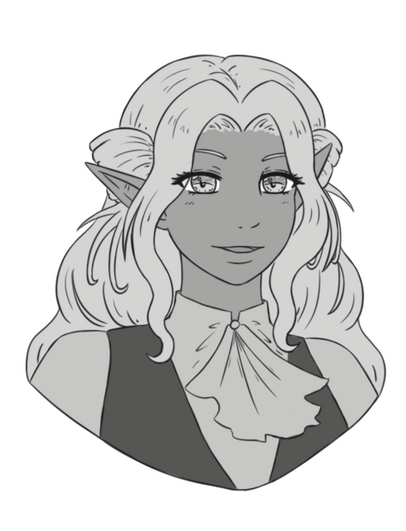
✧Age: ???
✧Birthday: ???
✧Height: 5'3'' || 160 cm✧Pronouns: She/Her; They/Them
✧Gender: Female✧Species: Elf
✧Home Region: Solterra
✧Magic Affinity: Light
Neria Sorell arrived in Starhaven after surviving a shipwreck, washed ashore with little more than the clothes on her back. Though quiet at first, she has since begun to settle into life on the island, often helping out at the church and assisting wherever an extra pair of hands is needed. Kind and unassuming, she seems eager to repay the generosity she’s been shown, always willing to offer a helping hand or a warm smile. While she doesn’t speak much about her past, she’s quickly become a welcome presence in the community and often helps out at the church.